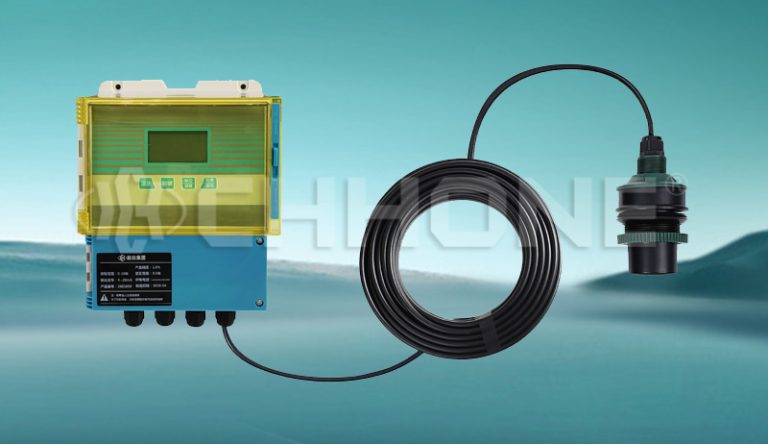
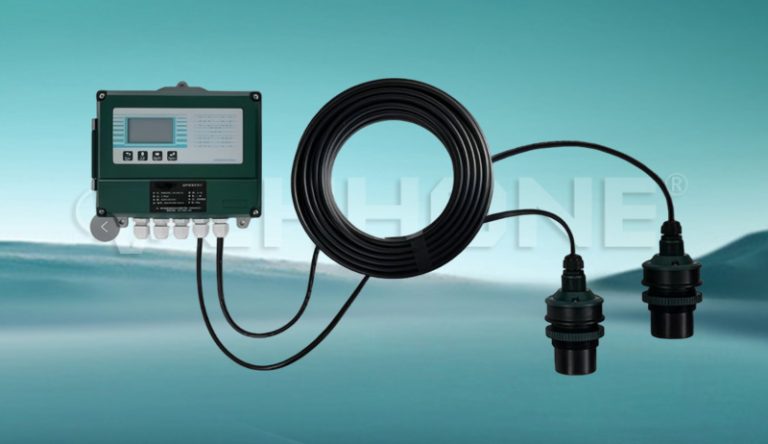
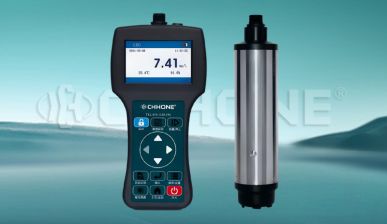
Ultrasonic Level Meter: Complete Guide, Applications, and Industrial Solutions by CHHONE
H1: Ultrasonic Level Meter – Working Principle, Selection Guide, and Industrial Applications
In modern industrial production and automation systems, accurate level measurement is essential for ensuring safe operation, improving production efficiency, and maintaining process stability. Among various level measurement technologies, theUltrasonic Level Meterhas become one of the most reliable and widely used solutions due to its non-contact measurement principle, high accuracy, and low maintenance requirements.
An ultrasonic level meter uses high-frequency sound waves to measure the distance between the sensor and the surface of a liquid or solid material. The device emits ultrasonic pulses toward the material surface, receives the reflected signals, and calculates the time difference between transmission and reception. Based on the speed of sound in air, the instrument determines the level inside tanks, silos, reservoirs, or open channels.
Compared with traditional level measurement methods such as float switches, pressure transmitters, or mechanical gauges, ultrasonic level measurement offers significant advantages. It eliminates direct contact with the medium, which reduces the risks of corrosion, contamination, and mechanical wear. This technology is particularly suitable for measuring corrosive liquids, wastewater, chemicals, and bulk solids.
As a professional industrial instrument manufacturer,CHHONEprovides advanced ultrasonic level measurement solutions for a wide range of industries. The company offers a complete product portfolio includingultrasonic level sensors,ultrasonic level transmitters,Explosion-Proof Ultrasonic Level Meters,non-contact ultrasonic level sensors, andWireless Ultrasonic Level Meters. Through continuous innovation and strict quality control, CHHONE has established a strong reputation in the global measurement instrument market.
This comprehensive guide explores ultrasonic level meter technology from multiple perspectives, including its working principle, product types, advantages, selection methods, installation guidelines, and industrial applications.
H2: What Is an Ultrasonic Level Meter?
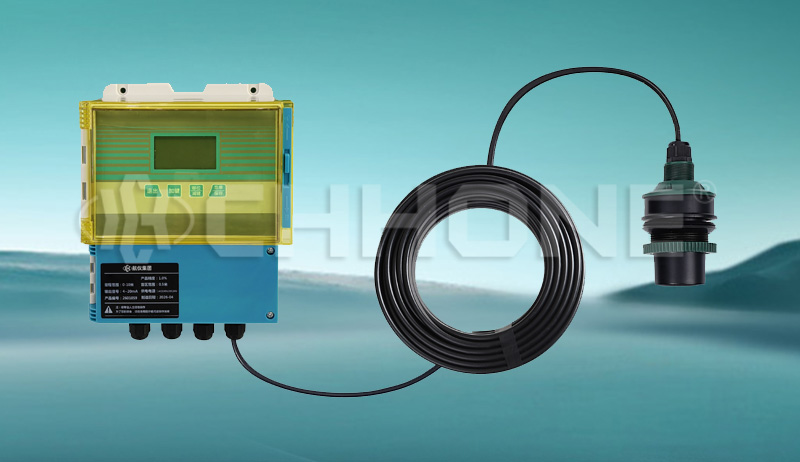
AnUltrasonic Level Meteris an electronic measurement instrument designed to measure the level of liquids, slurries, or solid materials using ultrasonic sound waves. The device performs measurements without contacting the medium, which makes it ideal for environments where direct contact sensors are not suitable.
The basic structure of an ultrasonic level meter typically includes the following components:
- Ultrasonic transducer or sensor
- Signal processing electronics
- Microprocessor control unit
- Temperature compensation module
- Output communication interface
- Display or configuration panel
The ultrasonic transducer plays the most important role in the measurement process. It converts electrical energy into ultrasonic sound waves and transmits them toward the surface of the material.
When the ultrasonic wave reaches the surface, it is reflected back to the sensor. The device measures the time interval between signal transmission and reception. Since the speed of sound in air is known, the system can calculate the distance between the sensor and the material surface.
The calculation formula is:
Distance = (Speed of Sound × Time) ÷ 2
Once the distance is obtained, the instrument converts this value into the material level based on the total height of the tank or container.
Most ultrasonic level meters can measure distances ranging from0.2 meters to more than 50 meters, depending on the sensor type and application environment.
H2: Types of Ultrasonic Level Measurement Instruments
Different industrial environments require specialized level measurement solutions. Therefore, ultrasonic level measurement technology includes several types of instruments designed for various applications.
H3: Ultrasonic Level Sensor
Anultrasonic level sensoris the core component responsible for generating ultrasonic waves and receiving reflected signals from the material surface. It measures the distance between the sensor and the material and provides the raw data required for level calculation.
Ultrasonic level sensors are widely used in industrial automation systems, especially in applications such as:
- Water storage tanks
- Irrigation reservoirs
- Wastewater treatment facilities
- Chemical storage containers
CHHONE ultrasonic sensors are designed with advanced signal filtering algorithms that reduce interference caused by foam, vapor, dust, and turbulence.
H3: Ultrasonic Level Transmitter
Anultrasonic level transmitterintegrates the sensor with advanced signal processing electronics. It converts the measured level into standard industrial signals for transmission to control systems.
Typical output signals include:
- 4–20 mA analog output
- RS485 communication
- Modbus protocol
- HART communication
Ultrasonic transmitters can be easily integrated withPLC systems, SCADA monitoring platforms, and distributed control systems (DCS). These systems enable real-time monitoring and automated process control.
H3: Non-Contact Ultrasonic Level Sensor
Anon-contact ultrasonic level sensormeasures the level of materials without physically touching them. This design offers several advantages compared with traditional contact measurement methods.
Because the sensor does not come into contact with the medium, it avoids problems such as corrosion, contamination, and mechanical damage. Non-contact ultrasonic sensors are particularly suitable for measuring:
- Corrosive chemical liquids
- Wastewater and sludge
- Pharmaceutical liquids
- Food-grade liquids
Non-contact measurement technology also reduces maintenance requirements and extends equipment service life.
H3: Explosion-Proof Ultrasonic Level Meter
Many industrial environments contain flammable gases or explosive vapors. In such conditions, standard electronic instruments cannot be safely used.
AnExplosion-Proof Ultrasonic Level Meteris specially designed to operate safely in hazardous areas. These devices feature:
- Intrinsically safe electronic circuits
- Explosion-proof enclosures
- Certified safety standards for hazardous environments
Explosion-proof ultrasonic level meters are widely used in industries such as:
- Petroleum refining
- Natural gas processing
- Chemical manufacturing
- Fuel storage and transportation
CHHONE provides explosion-proof ultrasonic instruments that comply with strict industrial safety requirements.
H3: Wireless Ultrasonic Level Meter
With the development of smart industry and Industrial Internet of Things (IIoT) technologies,Wireless Ultrasonic Level Metershave become increasingly popular for remote monitoring applications.
Wireless models integrate advanced communication technologies such as:
- LoRa wireless communication
- NB-IoT connectivity
- 4G LTE transmission
- Zigbee wireless networking
These instruments allow users to monitor tank levels remotely without complex wiring infrastructure. Wireless ultrasonic level meters are commonly used in:
- Water reservoirs
- Environmental monitoring stations
- Flood monitoring systems
- Agricultural irrigation projects
H2: Advantages of Ultrasonic Level Meters
Ultrasonic level measurement technology offers numerous advantages compared with traditional level measurement methods.
H3: Non-Contact Measurement
One of the biggest advantages is thenon-contact measurement principle. Since the sensor does not touch the medium, there is no risk of corrosion, contamination, or mechanical wear.
H3: High Measurement Accuracy
Modern ultrasonic level meters can achieve measurement accuracy within±0.25% to ±1% of the full scale, making them suitable for precise industrial control applications.
H3: Low Maintenance Requirements
Ultrasonic level meters containno moving parts, which significantly reduces maintenance costs and improves long-term reliability.
H3: Wide Application Range
Ultrasonic level meters can measure both liquids and solid materials, making them versatile instruments for many industries.
Typical application industries include:
- Water and wastewater treatment
- Chemical manufacturing
- Petroleum and oil storage
- Mining and metallurgy
- Agriculture and irrigation
H2: How to Choose an Ultrasonic Level Meter
Selecting the appropriate ultrasonic level meter requires careful consideration of several factors.
H3: Measurement Range
The measurement range should match the height of the tank or container. Common measurement ranges include:
- 5 meters
- 10 meters
- 20 meters
- 30 meters
- 50 meters
Choosing a suitable range ensures better signal strength and measurement accuracy.
H3: Medium Characteristics
Different materials have different surface conditions that may affect ultrasonic reflection.
Important factors include:
- Liquid or solid material
- Foam or vapor presence
- Surface turbulence
- Temperature conditions
For corrosive environments, special materials such asPTFE or PVDF sensor housingsare recommended.
H3: Installation Conditions
Installation environment plays an important role in measurement accuracy.
Users should consider:
- Tank geometry
- Internal obstacles
- Mounting position
- Environmental temperature
Correct installation helps ensure stable signal reflection.
H3: Output and Communication Interface
Industrial automation systems may require different output interfaces.
Common options include:
- 4–20 mA analog output
- RS485 digital communication
- Modbus protocol
- Relay switching output
Selecting the correct communication interface ensures compatibility with control systems.
H2: How to Install and Use an Ultrasonic Level Meter
Proper installation and operation are essential for achieving reliable measurement results.
H3: Installation Guidelines
For best performance, the ultrasonic sensor should be installed according to the following guidelines:
- Install the sensor at the top center of the tank.
- Avoid obstacles that could block ultrasonic signals.
- Ensure the sensor faces directly toward the liquid surface.
- Maintain sufficient distance from tank walls.
These steps help reduce signal interference and improve measurement accuracy.
H3: Calibration Process
Most ultrasonic level meters allow easy calibration through digital configuration interfaces.
Typical calibration steps include:
- Setting the empty tank distance
- Setting the full tank level
- Configuring measurement units
- Adjusting output signal parameters
After calibration, the device can provide continuous level monitoring.
H3: Maintenance Recommendations
Although ultrasonic level meters require minimal maintenance, periodic inspection is recommended.
Maintenance procedures include:
- Cleaning the sensor surface
- Checking electrical connections
- Verifying calibration settings
- Monitoring signal quality
These measures ensure stable long-term operation.
H2: Industrial Applications of Ultrasonic Level Meters
Ultrasonic level meters are widely used across many industries.
H3: Water and Wastewater Treatment
Ultrasonic level meters are commonly installed in sewage treatment plants, reservoirs, pumping stations, and open channels to monitor water levels and control pumping operations.
H3: Chemical Industry
Chemical plants often handle corrosive liquids and hazardous materials. Non-contact ultrasonic sensors provide safe and reliable level measurement without contacting aggressive chemicals.
H3: Oil and Gas Industry
Explosion-proof ultrasonic level meters are widely used to monitor oil storage tanks, fuel depots, and refinery processing equipment.
H3: Food and Beverage Industry
Ultrasonic sensors are also suitable for hygienic applications in food production processes, such as measuring milk, juice, syrup, and edible oil.
H2: Why Choose CHHONE Ultrasonic Level Meter Manufacturers
When selecting anUltrasonic Level Meter manufacturer, product quality, technical capability, and industrial experience are critical factors.
CHHONE is a professional manufacturer specializing in the development and production of advanced ultrasonic measurement instruments.
The company’s product range includes:
- Ultrasonic Level Meter
- Ultrasonic Level Sensor
- Ultrasonic Level Transmitter
- Explosion-Proof Ultrasonic Level Meter
- Non-Contact Ultrasonic Level Sensor
- Wireless Ultrasonic Level Meter
CHHONE products are designed with advanced signal processing technology, intelligent temperature compensation algorithms, and durable industrial-grade materials.
Key advantages include:
- High measurement accuracy
- Strong anti-interference capability
- Long service life
- Multiple communication interfaces
- Customizable solutions for different industries
With strong engineering expertise and strict quality management systems, CHHONE continues to deliver reliable ultrasonic measurement solutions for customers worldwide.
More information about CHHONE ultrasonic level measurement products can be found at:
H2: FAQ – Ultrasonic Level Meter
What is the difference between an ultrasonic level sensor and an ultrasonic level transmitter?
An ultrasonic level sensor measures the distance between the sensor and the material surface, while an ultrasonic level transmitter converts that measurement into standard output signals such as 4–20 mA or digital communication signals.
Can ultrasonic level meters measure solid materials?
Yes. Ultrasonic level meters can measure bulk solids such as grains, powders, and pellets if the surface reflects ultrasonic waves effectively.
Are ultrasonic level meters affected by temperature?
Yes, temperature affects the speed of sound in air. However, most modern ultrasonic level meters include automatic temperature compensation to maintain accurate measurements.
What is the typical lifespan of an ultrasonic level meter?
With proper installation and maintenance, ultrasonic level meters can operate reliably for more than10 years.