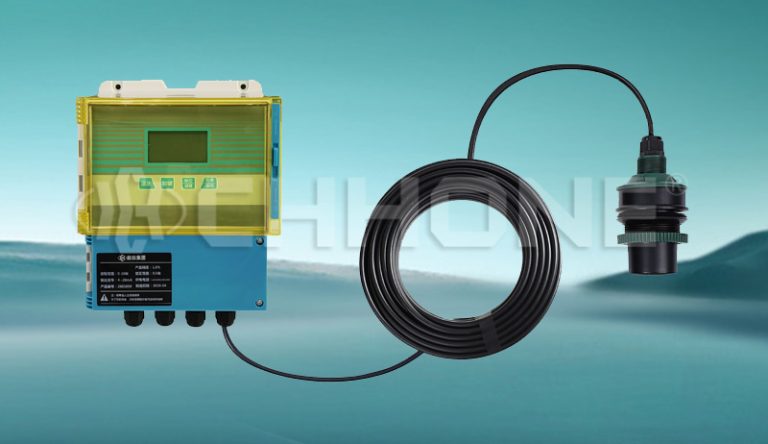
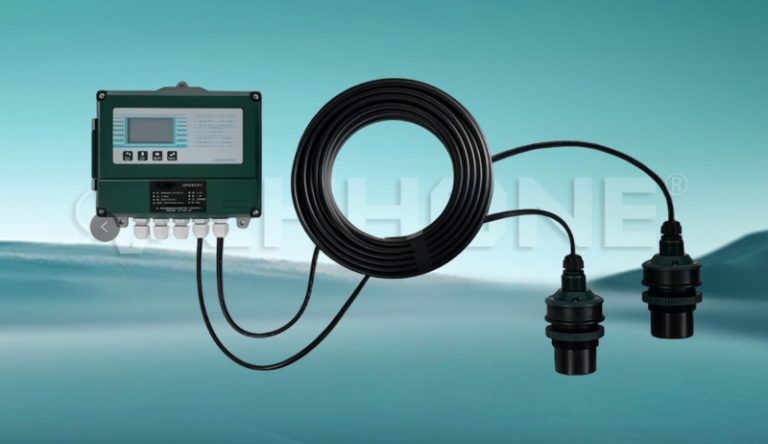
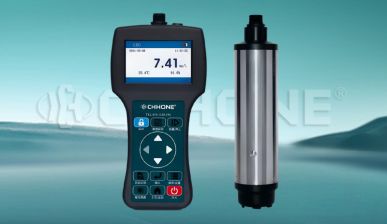
Membrane-type Dissolved Oxygen Meter Supplier for Water Quality
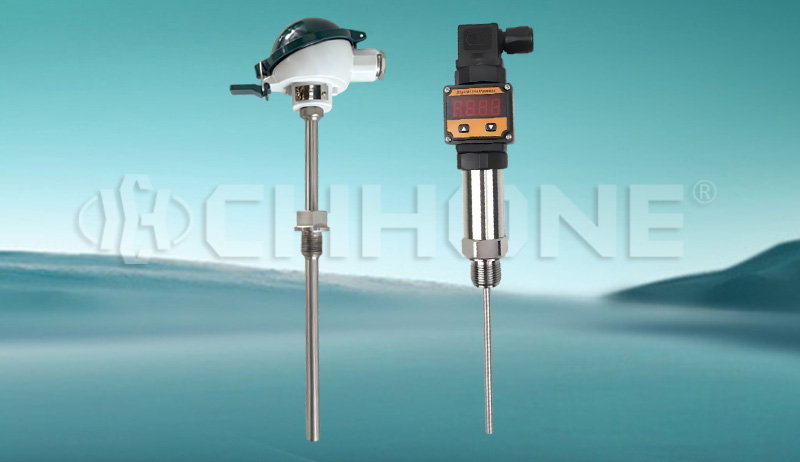
Introduction to Membrane-type Dissolved Oxygen Meters
Water quality monitoring is essential for protecting aquatic ecosystems, improving wastewater treatment, and maintaining industrial water processes. Dissolved oxygen (DO) is one of the most important parameters used to evaluate water conditions. It indicates how much oxygen is present in water and helps operators understand whether the water environment can support biological activity. For laboratories, environmental monitoring agencies, wastewater treatment plants, and industrial facilities, selecting a reliable Membrane-type Dissolved Oxygen Meter Supplier for Water Quality is an important step toward achieving consistent measurement results.
CHHONE provides water quality monitoring solutions for users seeking practical and dependable analytical instruments. By choosing suitable dissolved oxygen measurement equipment, businesses can improve monitoring procedures, collect useful water quality data, and support better process management. When selecting a supplier, customers should consider instrument performance, application requirements, technical specifications, maintenance needs, and after-sales support.
What Is a Membrane-type Dissolved Oxygen Meter?
A membrane-type dissolved oxygen meter is an analytical instrument designed to measure the concentration of oxygen dissolved in water. It generally consists of a sensing probe, an oxygen-permeable membrane, an internal electrolyte, electrodes, and an electronic measurement unit. Depending on the instrument design, the measured value can be displayed in milligrams per liter (mg/L), parts per million (ppm), or percentage saturation.
This technology is widely used in water quality testing because it allows users to measure dissolved oxygen directly in a water sample. It can support laboratory analysis, field inspections, and selected industrial monitoring applications. The correct model depends on the required measurement range, operating environment, accuracy, and installation method.
Working Principle of a Membrane-type Dissolved Oxygen Meter
The working principle is based on electrochemical measurement. A selective membrane separates the internal sensing components from the surrounding water while allowing oxygen molecules to pass through. After oxygen enters the sensor, an electrochemical reaction occurs at the electrode surface and generates an electrical signal.
The instrument processes this signal and converts it into a dissolved oxygen reading. Under suitable operating conditions, the signal corresponds to the amount of oxygen reaching the sensing electrode. Temperature compensation and proper calibration help improve measurement reliability.
For dependable results, users should follow the manufacturer’s operating instructions. The membrane must remain clean, properly installed, and free from damage. Depending on the sensor design, maintaining sufficient water movement around the probe may also be necessary to prevent inaccurate readings.
Applications in Water Quality Monitoring
Wastewater Treatment Plants
Wastewater treatment facilities monitor dissolved oxygen to understand conditions within biological treatment processes. Microorganisms require oxygen for aerobic treatment, and insufficient oxygen may affect treatment efficiency. A suitable membrane-type dissolved oxygen meter helps operators assess oxygen levels and make informed adjustments to aeration practices.
Environmental Water Monitoring
Rivers, lakes, ponds, and other natural water bodies require regular observation to identify changes in environmental conditions. Dissolved oxygen measurements can help researchers evaluate aquatic habitats and investigate possible pollution-related impacts. Portable dissolved oxygen instruments are particularly useful when measurements must be collected at multiple locations.
Aquaculture and Fish Farming
Fish and other aquatic organisms depend on suitable dissolved oxygen conditions for survival and growth. Regular monitoring helps fish farmers identify oxygen fluctuations and respond when water conditions become unsuitable. The required oxygen level varies according to species, water temperature, stocking density, and farming conditions.
Industrial Water Systems
Many industrial processes depend on controlled water quality. Manufacturing facilities may measure dissolved oxygen in process water, cooling water, and other water streams to understand operating conditions. Selecting an appropriate meter allows users to monitor oxygen levels according to their specific process requirements.
Laboratories and Research Institutions
Laboratories use dissolved oxygen measurements in water analysis, environmental studies, and biological experiments. A properly calibrated meter can provide repeatable readings when users follow standardized sampling and testing procedures.
Benefits of Choosing a Reliable Supplier
Selecting a dependable Membrane-type Dissolved Oxygen Meter Supplier for Water Quality involves more than comparing product prices. The supplier should help customers identify equipment suitable for their intended application.
Important considerations include:
- Measurement performance: Review the stated accuracy, resolution, measurement range, and response time.
- Suitable sensor design: Confirm that the membrane and probe are appropriate for the water conditions being tested.
- Temperature compensation: Check whether the instrument supports the temperature correction required for the application.
- Convenient operation: Clear displays and straightforward calibration procedures can simplify routine testing.
- Maintenance requirements: Ask about membrane replacement, electrolyte replenishment, cleaning, and replacement components.
- Technical assistance: Product documentation and responsive support can help users operate and maintain their equipment correctly.
By reviewing these factors before purchasing, customers can make a more informed investment and reduce avoidable operating problems.
How to Select the Right Membrane-type Dissolved Oxygen Meter
Before placing an order, identify where and how the instrument will be used. Portable meters are useful for field sampling and inspections, while suitable fixed or integrated systems may be preferred for continuous industrial monitoring.
Next, evaluate the required measurement range and expected water conditions. Temperature, salinity, sample movement, and potential sensor fouling can influence measurement performance. Users should also determine whether the instrument needs automatic temperature compensation, data storage, external output signals, or compatibility with an existing monitoring system.
Calibration and maintenance are equally important. A well-designed meter cannot provide reliable results if the membrane is damaged, the sensor is contaminated, or calibration is neglected. Follow the manufacturer’s maintenance schedule and verify readings as required by the testing procedure.
For large projects or specialized applications, discuss the operating conditions and technical requirements with the supplier before selecting a model. This helps ensure that the proposed equipment matches the actual measurement task.
Why Consider CHHONE for Water Quality Monitoring Equipment?
CHHONE focuses on water quality and industrial measurement instruments for customers with different monitoring needs. Businesses searching for a Membrane-type Dissolved Oxygen Meter Supplier for Water Quality can explore the available product range and identify solutions that fit their testing requirements.
When evaluating CHHONE products, customers should review the relevant product specifications, sensor configuration, installation requirements, and available technical documentation. Confirming these details before purchase helps ensure that the selected instrument is appropriate for the intended application.
For industrial buyers, laboratories, environmental service providers, and water treatment operators, choosing measurement equipment according to real operating conditions is an important part of maintaining a dependable water quality monitoring program.
Conclusion
A membrane-type dissolved oxygen meter is a useful instrument for measuring oxygen levels in wastewater treatment, environmental monitoring, aquaculture, industrial water systems, and laboratory testing. Its electrochemical sensing principle supports direct dissolved oxygen measurement, while proper calibration and routine maintenance help maintain reliable performance.
Finding the right Membrane-type Dissolved Oxygen Meter Supplier for Water Quality requires careful consideration of sensor design, measurement specifications, application conditions, maintenance requirements, and technical support. CHHONE is a relevant starting point for businesses exploring water quality measurement solutions. Visit https://www.chhone.com/ to review the available instruments and contact the company to discuss your requirements. Selecting the right equipment can help your organization improve measurement practices and make better-informed water quality management decisions.
👉 Contact CHHONE today to request technical specifications, product details, or a customized quotation. Follow us at Facebook, Instagram, LinkedIn and YouTube