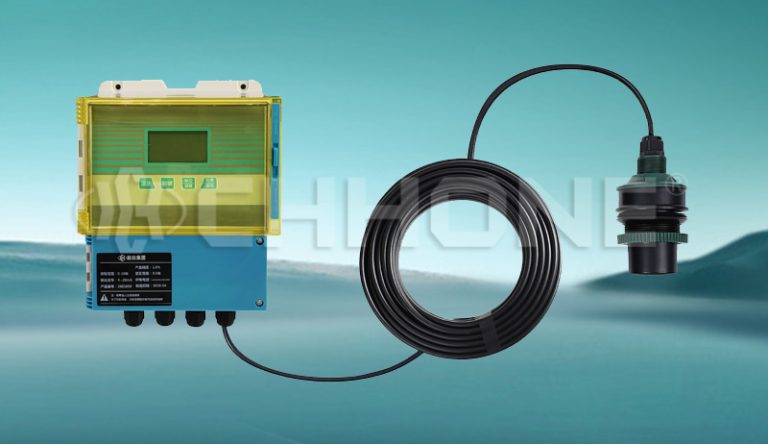
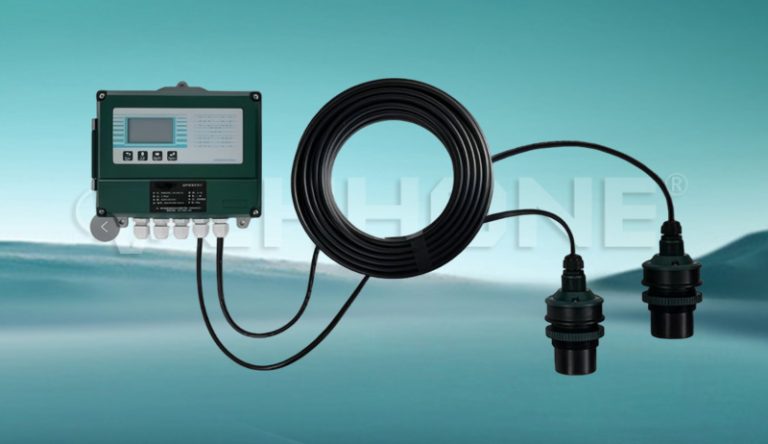
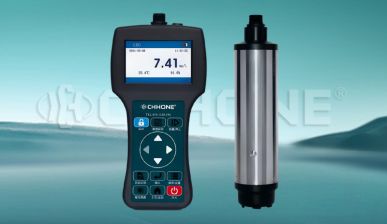
Radar Level Transmitter: Complete Guide to Principle, Selection, and Industrial Applications
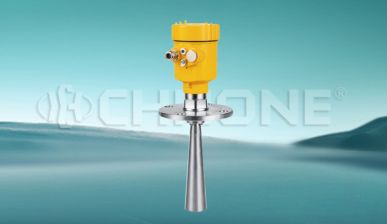
H1: Radar Level Transmitter – Technology, Selection Guide, and Industrial Solutions by CHHONE
Accurate level measurement is a critical requirement in modern industrial production. Whether in chemical processing plants, oil storage tanks, water treatment systems, or food manufacturing facilities, reliable monitoring of liquid and solid levels ensures safe operation, stable production processes, and efficient resource management. Among many advanced level measurement technologies, theRadar Level Transmitterhas become one of the most reliable and widely used solutions.
A radar level transmitter uses microwave radar signals to measure the level of materials inside tanks, silos, and vessels. The device transmits electromagnetic waves toward the surface of the measured medium and analyzes the reflected signals to determine the distance between the sensor and the material surface. This measurement method provides highly accurate results even under challenging conditions such as high temperature, high pressure, vapor, dust, or foam.
Compared with traditional level measurement methods, radar technology offers excellent stability, strong resistance to interference, and minimal maintenance requirements. Radar level transmitters are widely used in industries such as petroleum refining, chemical processing, water treatment, energy production, and food manufacturing.
As a professional industrial instrument manufacturer,CHHONEspecializes in advanced level measurement technologies and provides a comprehensive range of radar level measurement solutions. These includeGuided Wave Radar Level Gauges,Explosion-Proof Radar Level Transmitters, andNon-Contact Radar Level Measurement instruments. With strong research and development capabilities and strict manufacturing standards, CHHONE delivers reliable and innovative radar measurement solutions to customers worldwide.
This article provides a detailed introduction to radar level transmitter technology, including its working principles, types, advantages, selection guidelines, installation methods, and industrial applications.
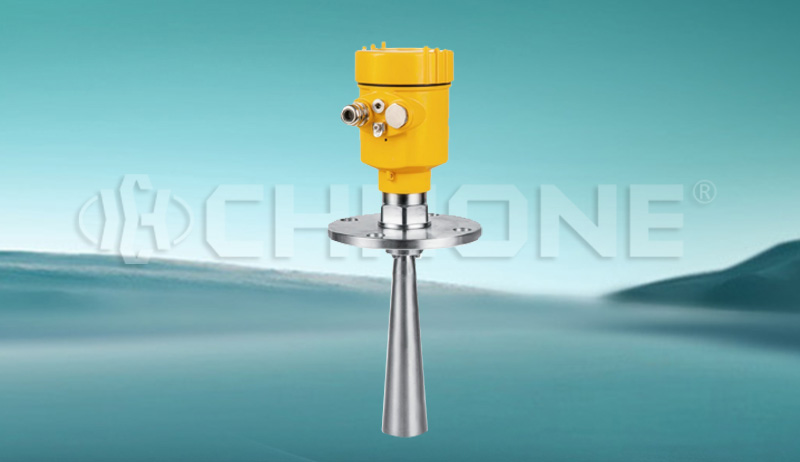
H2: What Is a Radar Level Transmitter?
ARadar Level Transmitteris an electronic instrument that measures the level of liquids or solids using microwave radar signals. The device works by emitting high-frequency electromagnetic waves toward the material surface and measuring the time required for the signal to return after reflection.
The main components of a radar level transmitter typically include:
- Radar antenna or probe
- Signal transmission module
- Microprocessor control unit
- Signal processing electronics
- Output communication interface
- Display or configuration system
When the radar transmitter emits microwave signals, the waves travel through the air until they reach the surface of the measured material. The signal is then reflected back toward the antenna.
The transmitter measures the time interval between signal emission and reception. Since the propagation speed of electromagnetic waves is constant, the device can accurately calculate the distance between the antenna and the material surface.
The formula used for measurement is:
Distance = (Speed of Light × Time) ÷ 2
By subtracting this distance from the total height of the tank or vessel, the system calculates the actual material level.
Radar level transmitters are capable of measuring distances froma few centimeters to more than 70 meters, depending on the antenna type and radar frequency.
H2: Types of Radar Level Measurement Technologies
Radar level measurement technology includes several specialized product types designed for different industrial applications.
H3: Non-Contact Radar Level Measurement
Non-Contact Radar Level Measurementis one of the most widely used radar technologies. In this design, the radar antenna is mounted on the top of the tank and does not come into contact with the measured medium.
The antenna emits microwave signals toward the material surface and receives the reflected echoes to determine the level.
This technology offers several advantages:
- No direct contact with the medium
- High resistance to corrosion
- Stable measurement in harsh environments
- Minimal maintenance requirements
Non-contact radar transmitters are commonly used in applications involving:
- Chemical storage tanks
- Oil storage tanks
- Water reservoirs
- Food processing tanks
CHHONE provides high-performance non-contact radar transmitters with advanced signal processing technology that ensures reliable measurement even in environments with vapor, foam, or turbulence.
H3: Guided Wave Radar Level Gauge
AGuided Wave Radar Level Gaugeuses a probe or cable to guide microwave signals directly toward the material surface. Unlike non-contact radar transmitters, guided wave radar devices transmit the radar signal along the probe.
When the radar signal reaches the surface of the material, it is reflected back along the probe to the transmitter.
Guided wave radar technology provides extremely accurate measurements and is particularly suitable for applications involving:
- Low dielectric liquids
- Narrow tanks
- Interface measurement between two liquids
- High-pressure vessels
Guided wave radar level gauges are widely used in industries such as chemical processing, power generation, and oil refining.
CHHONE guided wave radar products are designed with robust probe structures and intelligent signal analysis algorithms, ensuring accurate measurement even in complex process environments.
H3: Explosion-Proof Radar Level Transmitters
Many industrial environments contain flammable gases or explosive vapors, such as oil refineries, chemical plants, and fuel storage facilities. In such environments, standard electronic instruments cannot be used safely.
Explosion-Proof Radar Level Transmittersare specially designed for hazardous areas. These devices incorporate safety features such as:
- Intrinsically safe electronic circuits
- Explosion-proof housings
- Compliance with industrial safety standards
Explosion-proof radar transmitters ensure reliable level measurement while maintaining safety in hazardous environments.
CHHONE provides explosion-proof radar measurement solutions that meet strict industrial safety requirements.
H2: Advantages of Radar Level Transmitters
Radar level transmitters offer several advantages over other level measurement technologies.
H3: High Measurement Accuracy
Radar level transmitters can achieve extremely high accuracy because electromagnetic waves are not significantly affected by environmental conditions such as temperature, pressure, or vapor.
Modern radar transmitters typically provide accuracy within±2 millimeters.
H3: Strong Resistance to Interference
Unlike ultrasonic sensors, radar signals are not affected by changes in air pressure, humidity, or temperature. This makes radar level transmitters suitable for harsh industrial environments.
H3: Non-Contact Measurement
Non-contact radar transmitters do not touch the measured medium, eliminating problems related to corrosion, contamination, or mechanical wear.
H3: Wide Measurement Range
Radar transmitters can measure levels over long distances, often exceeding70 meters, making them suitable for large storage tanks and silos.
H2: How to Choose a Radar Level Transmitter
Selecting the appropriate radar level transmitter requires careful consideration of several technical parameters.
H3: Measurement Range
The required measurement range depends on the height of the tank or silo. Radar transmitters are available in various ranges to meet different application requirements.
H3: Medium Characteristics
The properties of the measured material play an important role in radar measurement performance.
Important factors include:
- Dielectric constant of the medium
- Surface conditions (foam, turbulence)
- Temperature and pressure conditions
For low dielectric liquids,Guided Wave Radar Level Gaugesare often recommended.
H3: Installation Environment
Installation conditions should also be considered when selecting a radar transmitter.
Factors include:
- Tank shape and size
- Internal obstacles
- Mounting position
- Process conditions
Proper installation helps ensure accurate signal reflection and stable measurement results.
H3: Output and Communication Interface
Radar transmitters can provide various communication interfaces to integrate with industrial automation systems.
Common output options include:
- 4–20 mA analog signal
- RS485 digital communication
- Modbus protocol
- HART communication
Selecting the correct interface ensures compatibility with control systems such as PLC and SCADA platforms.
H2: How to Install and Use a Radar Level Transmitter
Correct installation and operation are essential for obtaining reliable measurement results.
H3: Installation Guidelines
To achieve optimal performance, radar transmitters should be installed according to the following guidelines:
- Install the transmitter on the top of the tank.
- Avoid obstacles that may reflect radar signals.
- Ensure the antenna points directly toward the material surface.
- Maintain sufficient distance from tank walls and internal structures.
These practices help minimize signal interference and improve measurement accuracy.
H3: Calibration and Configuration
Most modern radar transmitters include digital configuration systems that allow easy setup.
Typical configuration steps include:
- Setting the tank height
- Configuring measurement units
- Adjusting output signals
- Performing echo signal optimization
Once configuration is completed, the transmitter provides continuous real-time level monitoring.
H3: Maintenance Recommendations
Radar level transmitters generally require minimal maintenance. However, periodic inspections are recommended to ensure reliable operation.
Maintenance tasks include:
- Checking antenna cleanliness
- Inspecting electrical connections
- Verifying calibration parameters
- Monitoring signal strength
These simple maintenance procedures help ensure long-term measurement stability.
H2: Industrial Applications of Radar Level Transmitters
Radar level transmitters are widely used across many industries due to their reliability and versatility.
H3: Oil and Gas Industry
Radar transmitters are commonly used for monitoring levels in crude oil storage tanks, fuel depots, and refinery processing vessels.
H3: Chemical Processing
Chemical plants require accurate level measurement for tanks containing corrosive liquids or hazardous chemicals.
Radar technology provides reliable measurement even under high temperature and pressure conditions.
H3: Water and Wastewater Treatment
Radar level transmitters are used in water reservoirs, sewage treatment plants, and pumping stations to monitor liquid levels and optimize water management.
H3: Food and Beverage Industry
Radar level measurement is also suitable for hygienic applications in food production processes, such as monitoring levels of milk, oil, syrup, and other liquids.
H2: Why Choose CHHONE Radar Level Transmitters
When selecting aRadar Level Transmitter manufacturer, product quality, engineering expertise, and manufacturing capability are key considerations.
CHHONE is a professional manufacturer specializing in advanced level measurement instruments. The company provides a complete range of radar level measurement products, including:
- Radar Level Transmitters
- Guided Wave Radar Level Gauges
- Explosion-Proof Radar Level Transmitters
- Non-Contact Radar Level Measurement Systems
CHHONE radar instruments are designed with advanced microwave technology, intelligent signal processing algorithms, and durable industrial materials.
Key advantages of CHHONE products include:
- High measurement accuracy
- Strong anti-interference performance
- Reliable operation in harsh environments
- Multiple communication interfaces
- Customized solutions for industrial applications
With strong R&D capabilities and strict quality control processes, CHHONE continues to provide reliable radar measurement solutions for customers around the world.
More information about CHHONE radar level measurement products can be found at:
H2: FAQ – Radar Level Transmitter
What is the difference between radar and ultrasonic level measurement?
Radar level measurement uses electromagnetic waves, while ultrasonic measurement uses sound waves. Radar technology is generally more suitable for harsh environments involving vapor, dust, or high temperature.
What is a guided wave radar level gauge?
A guided wave radar level gauge uses a probe to guide radar signals toward the material surface, providing highly accurate measurements even in challenging applications.
Are radar level transmitters suitable for solid materials?
Yes. Radar transmitters can measure both liquids and bulk solids such as grains, powders, and pellets.
How accurate is a radar level transmitter?
Modern radar level transmitters can achieve accuracy within±2 mm, depending on the specific model and application conditions.