Gas Flowmeter: Complete Guide to Principle, Selection, and Industrial Applications
H1: Gas Flowmeter – Working Principle, Selection Guide, and Industrial Solutions by CHHONE
In modern industrial production and energy management systems, accurate gas flow measurement plays a crucial role in ensuring operational efficiency, safety, and cost control. Industries such as natural gas distribution, chemical processing, power generation, manufacturing, and environmental monitoring rely heavily on reliable gas flow measurement instruments. Among these technologies, theGas Flowmeterhas become an essential device for monitoring and controlling gas flow in pipelines and process systems.
A gas flowmeter is designed to measure the flow rate of gases such as natural gas, compressed air, nitrogen, oxygen, and industrial process gases. By accurately measuring gas flow, industries can optimize energy consumption, monitor system performance, and maintain safe operating conditions.
Compared with traditional mechanical meters, modern gas flowmeters offer higher accuracy, digital communication capabilities, and better resistance to harsh industrial environments. Advanced technologies allow these instruments to provide continuous real-time monitoring and integrate seamlessly with automated control systems.
As a professional industrial instrumentation manufacturer,CHHONEprovides a comprehensive range of gas flow measurement solutions. These includeIndustrial Gas Flowmeters,Natural Gas Flowmeters,Compressed Air Flowmeters,Explosion-Proof Gas Flowmeters, andWireless Gas Flowmeters. With advanced engineering expertise and strict quality control systems, CHHONE delivers reliable gas flow measurement instruments for industrial customers around the world.
This article provides a detailed introduction to gas flowmeter technology, including its working principles, product types, advantages, selection guidelines, installation methods, and industrial applications.
H2: What Is a Gas Flowmeter?
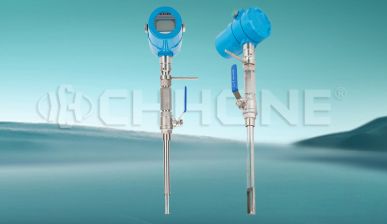
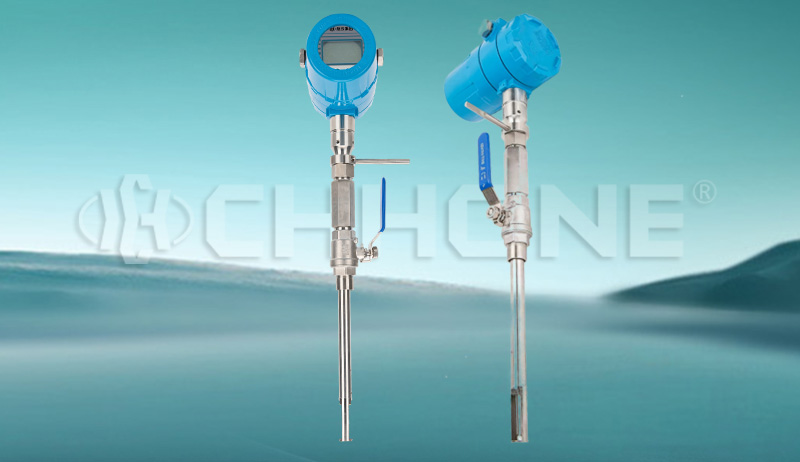
AGas Flowmeteris an instrument used to measure the flow rate of gases moving through pipelines or ducts. The device determines the volume or mass flow of gas by analyzing parameters such as velocity, pressure, temperature, or thermal characteristics.
Gas flowmeters can measure a wide variety of gases, including:
- Natural gas
- Compressed air
- Oxygen
- Nitrogen
- Carbon dioxide
- Industrial process gases
Depending on the measurement technology used, gas flowmeters may operate based on principles such as:
- Thermal mass flow measurement
- Differential pressure measurement
- Vortex flow measurement
- Ultrasonic flow measurement
These technologies allow gas flowmeters to operate accurately under different pressure, temperature, and flow conditions.
Modern gas flowmeters typically consist of the following components:
- Flow sensor or measuring element
- Signal processing electronics
- Microprocessor controller
- Temperature and pressure compensation modules
- Output communication interface
- Display or configuration panel
The measured gas flow data can be transmitted to control systems through analog or digital signals, enabling real-time monitoring and automation.
H2: Types of Gas Flowmeters
Gas flow measurement technology includes several specialized instruments designed for different applications.
H3: Industrial Gas Flowmeter
AnIndustrial Gas Flowmeteris designed for general gas flow measurement in industrial processes. These flowmeters are commonly used in factories, production lines, and energy systems where reliable gas monitoring is required.
Industrial gas flowmeters are capable of measuring gases under various pressure and temperature conditions. They are often used in applications such as:
- Boiler fuel gas monitoring
- Industrial furnace gas supply
- Chemical process gas measurement
- Gas distribution pipelines
CHHONE industrial gas flowmeters are designed with high-precision sensors and advanced digital transmitters to ensure stable and accurate measurements.
H3: Natural Gas Flowmeter
ANatural Gas Flowmeteris specifically designed for measuring the flow of natural gas in pipelines and distribution systems.
Natural gas flowmeters must operate reliably under varying pressure conditions and maintain high accuracy to ensure fair billing and efficient energy management.
Typical applications include:
- Natural gas transmission pipelines
- City gas distribution networks
- Industrial gas consumption monitoring
- Energy management systems
CHHONE natural gas flowmeters provide precise measurement and reliable performance in demanding gas supply environments.
H3: Compressed Air Flowmeter
Compressed air is widely used in manufacturing industries for powering pneumatic equipment, automation systems, and production machinery. ACompressed Air Flowmeteris used to monitor the consumption of compressed air and optimize energy efficiency.
Compressed air flowmeters are commonly installed in:
- Air compressor systems
- Manufacturing production lines
- Pneumatic equipment networks
- Industrial air distribution systems
By accurately measuring compressed air usage, companies can reduce energy waste and improve system efficiency.
H3: Explosion-Proof Gas Flowmeter
In hazardous industrial environments such as oil refineries, chemical plants, and gas processing facilities, explosive gases or vapors may be present.
AnExplosion-Proof Gas Flowmeteris specially designed for safe operation in these environments. These devices incorporate safety features such as:
- Intrinsically safe electronic circuits
- Explosion-proof housings
- Compliance with hazardous area safety standards
Explosion-proof gas flowmeters are widely used in industries such as:
- Petroleum and gas processing
- Chemical manufacturing
- Fuel storage facilities
- Offshore oil platforms
CHHONE provides explosion-proof gas flow measurement solutions that ensure reliable performance while maintaining strict safety requirements.
H3: Wireless Gas Flowmeter
With the rapid development of industrial IoT technology,Wireless Gas Flowmetershave become increasingly popular for remote monitoring applications.
Wireless gas flowmeters integrate communication technologies such as:
- LoRa communication
- NB-IoT connectivity
- 4G wireless transmission
- Industrial wireless networks
These instruments allow operators to monitor gas flow remotely without complex wiring infrastructure.
Wireless gas flowmeters are widely used in:
- Remote gas pipelines
- Environmental monitoring systems
- Industrial energy management platforms
- Smart factory applications
H2: Advantages of Gas Flowmeters
Gas flowmeters provide several advantages compared with traditional gas monitoring methods.
H3: High Measurement Accuracy
Modern gas flowmeters are designed with advanced sensors and digital signal processing technology, allowing them to provide high measurement accuracy even under fluctuating pressure and temperature conditions.
H3: Real-Time Monitoring
Gas flowmeters provide continuous real-time monitoring of gas consumption, allowing operators to detect abnormalities and optimize system performance.
H3: Energy Efficiency Improvement
By monitoring gas consumption accurately, industries can identify energy waste and improve the efficiency of their gas supply systems.
H3: Reliable Operation in Harsh Environments
Industrial gas flowmeters are designed to operate reliably under harsh conditions such as high temperature, high pressure, and corrosive environments.
H2: How to Choose a Gas Flowmeter
Selecting the appropriate gas flowmeter requires careful consideration of several technical factors.
H3: Type of Gas
Different gases have different physical properties, which may affect the performance of flow measurement technologies.
Important factors include:
- Gas density
- Pressure conditions
- Temperature variations
- Gas purity
Understanding these characteristics helps determine the most suitable flowmeter technology.
H3: Flow Range
The expected flow rate range must be considered when selecting a gas flowmeter. Choosing the correct range ensures accurate measurement and optimal performance.
H3: Installation Environment
The installation environment may influence the type of gas flowmeter required.
Factors to consider include:
- Pipeline size
- Temperature and pressure conditions
- Hazardous area requirements
- Outdoor or indoor installation
H3: Output and Communication Interface
Modern gas flowmeters support multiple communication interfaces for integration with industrial automation systems.
Common output signals include:
- 4–20 mA analog output
- RS485 communication
- Modbus protocol
- Pulse output
These interfaces allow seamless connection to PLC, SCADA, and energy management systems.
H2: How to Install and Use a Gas Flowmeter
Proper installation and operation are essential for achieving accurate gas flow measurement.
H3: Installation Guidelines
For optimal performance, gas flowmeters should be installed according to the following guidelines:
- Install the flowmeter in a straight section of pipeline.
- Ensure sufficient upstream and downstream pipe length.
- Avoid installation near strong vibration sources.
- Ensure proper grounding and electrical connections.
Following these guidelines helps minimize measurement errors.
H3: Calibration and Configuration
Most modern gas flowmeters include digital configuration systems that allow easy setup.
Typical configuration steps include:
- Setting gas type parameters
- Configuring measurement units
- Adjusting flow range
- Setting output signal options
Once configured, the system can provide continuous real-time flow monitoring.
H3: Maintenance Recommendations
Although gas flowmeters require minimal maintenance, periodic inspection is recommended.
Maintenance tasks include:
- Checking sensor condition
- Inspecting electrical connections
- Verifying calibration parameters
- Monitoring signal stability
Regular maintenance ensures long-term reliability.
H2: Industrial Applications of Gas Flowmeters
Gas flowmeters are widely used in many industries.
H3: Natural Gas Industry
Gas flowmeters are used for monitoring natural gas transportation, distribution, and consumption in pipelines and industrial facilities.
H3: Chemical Industry
Chemical plants use gas flowmeters to measure process gases used in production and reaction processes.
H3: Manufacturing Industry
Compressed air flowmeters help factories monitor air consumption and optimize energy efficiency in production systems.
H3: Energy and Power Generation
Gas flowmeters are used to monitor fuel gas consumption in power plants and energy systems.
H2: Why Choose CHHONE Gas Flowmeters
When selecting aGas Flowmeter manufacturer, product reliability, engineering expertise, and manufacturing capability are critical factors.
CHHONE is a professional manufacturer specializing in industrial measurement instruments. The company provides a full range of gas flow measurement products, including:
- Gas Flowmeters
- Industrial Gas Flowmeters
- Natural Gas Flowmeters
- Compressed Air Flowmeters
- Explosion-Proof Gas Flowmeters
- Wireless Gas Flowmeters
CHHONE instruments are designed with advanced sensor technology, intelligent signal processing algorithms, and durable industrial materials.
Key advantages of CHHONE gas flowmeters include:
- High measurement accuracy
- Strong anti-interference capability
- Reliable operation in harsh environments
- Multiple communication interfaces
- Customized solutions for industrial applications
With strong research and development capabilities and strict manufacturing standards, CHHONE continues to provide reliable gas flow measurement solutions to customers worldwide.
More information about CHHONE products can be found at:
H2: FAQ – Gas Flowmeter
What gases can be measured by a gas flowmeter?
Gas flowmeters can measure many types of gases, including natural gas, compressed air, nitrogen, oxygen, and industrial process gases.
What is the difference between a gas flowmeter and a liquid flowmeter?
Gas flowmeters are specifically designed to measure gases, which have lower density and higher compressibility than liquids.
Are gas flowmeters suitable for hazardous environments?
Yes. Explosion-proof gas flowmeters are available for use in hazardous environments where flammable gases may be present.
How long does a gas flowmeter last?
With proper installation and maintenance, gas flowmeters can operate reliably formany years, often exceeding ten years of service life.