Pressure Transmitter: Complete Guide to Industrial Pressure Measurement and Applications
H1: Pressure Transmitter – Working Principle, Selection Guide, and Industrial Solutions by CHHONE
In modern industrial automation systems,pressure measurementis one of the most critical parameters for ensuring safety, efficiency, and process stability. Industries such as oil and gas, chemical processing, water treatment, energy production, pharmaceuticals, and manufacturing rely heavily on precise pressure monitoring. Among the many instruments used in industrial control systems, thePressure Transmitterplays a vital role in converting pressure signals into standardized electrical outputs that can be transmitted to control systems.
A pressure transmitter measures the pressure of gases, liquids, or steam inside pipelines, tanks, or equipment and converts that measurement into an electrical signal—commonly a4–20 mA analog signal or digital communication signal. This signal can then be transmitted to programmable logic controllers (PLC), distributed control systems (DCS), or SCADA platforms for real-time monitoring and automated process control.
Compared with traditional mechanical pressure gauges, modern pressure transmitters providehigher accuracy, remote monitoring capabilities, better environmental resistance, and digital communication support. These advantages make them essential instruments in industrial process automation.
As a professional industrial instrumentation manufacturer,CHHONEprovides a comprehensive range of pressure measurement solutions, includingIndustrial Pressure Transmitters,Explosion-Proof Pressure Transmitters, andCapacitive Pressure Transmitters. With advanced manufacturing technology, strict quality control, and strong research and development capabilities, CHHONE delivers reliable pressure measurement instruments for industrial customers worldwide.
This article provides a comprehensive overview of pressure transmitters, including their working principles, types, selection guidelines, installation methods, and industrial applications.
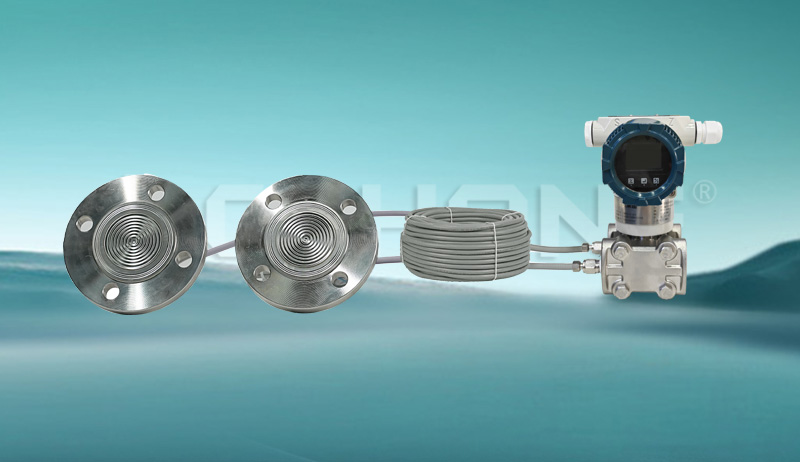
What Is a Pressure Transmitter?
APressure Transmitteris an electronic instrument used to measure pressure and convert it into a standardized electrical output signal that can be transmitted to monitoring and control systems.
The transmitter senses pressure from gases, liquids, or vapors in a pipeline or vessel and converts the physical pressure into an electrical signal using a pressure sensor. The signal is then processed by internal electronics and transmitted to a control system for monitoring, recording, or automated regulation.
Pressure transmitters are widely used for measuring different types of pressure, including:
- Gauge pressure– pressure relative to atmospheric pressure
- Absolute pressure– pressure relative to a perfect vacuum
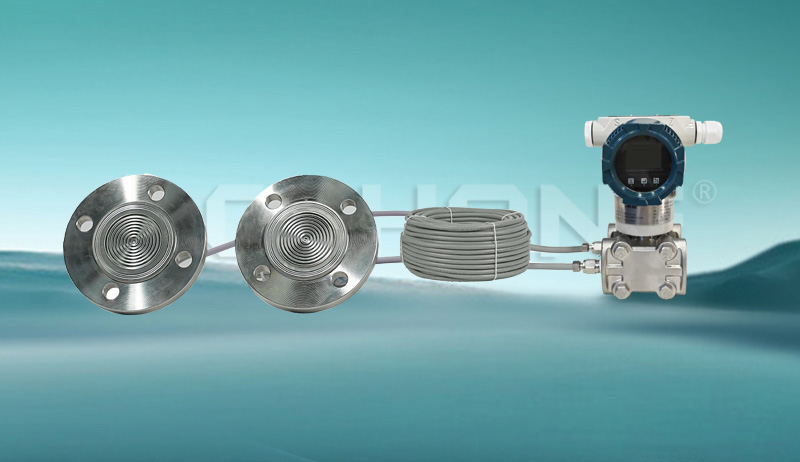
- Differential pressure– pressure difference between two points
- Vacuum pressure– pressure below atmospheric level
A typical pressure transmitter consists of several key components:
- Pressure sensing element
- Signal conditioning circuit
- Microprocessor control unit
- Temperature compensation system
- Output signal module
- Protective housing
The transmitter converts the pressure signal into standardized outputs such as:
- 4–20 mA analog signal
- HART communication
- RS485 digital communication
- Modbus protocol
These signals allow seamless integration with industrial automation systems.
Working Principle of a Pressure Transmitter
The working principle of a pressure transmitter is based on converting mechanical pressure into an electrical signal through a sensing element.
When pressure is applied to the sensing element, the element undergoes slight deformation. This deformation is detected by sensors such as strain gauges, capacitive sensors, or piezoresistive elements.
The process typically follows these steps:
- The pressure medium enters the pressure port of the transmitter.
- The sensing element detects pressure changes.
- The sensor converts pressure deformation into an electrical signal.
- Internal electronics amplify and process the signal.
- The transmitter outputs a standardized signal to the control system.
Modern transmitters also include temperature compensation algorithms and digital signal processing, ensuring accurate readings even in harsh industrial environments.
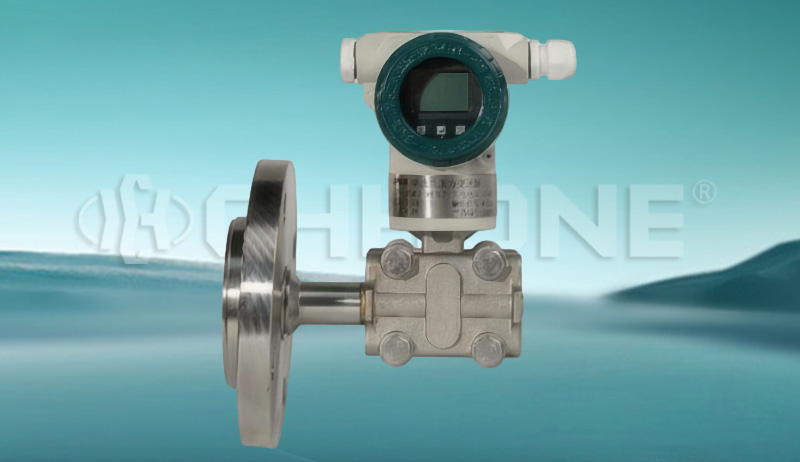
Types of Pressure Transmitters
Different industrial environments require different types of pressure transmitters. Some of the most widely used types include the following.
Industrial Pressure Transmitter
AnIndustrial Pressure Transmitteris designed for general pressure measurement in industrial processes. These transmitters are widely used in manufacturing plants, water treatment systems, and energy facilities.
Industrial pressure transmitters are designed to withstand demanding conditions such as:
- High temperature
- High pressure
- Vibrations
- Corrosive environments
They are commonly used for monitoring:
- Pump pressure
- Hydraulic systems
- Pipeline pressure
- Tank pressure
CHHONE industrial pressure transmitters feature high stability sensors, advanced electronics, and durable housing materials to ensure long-term reliability.
Explosion-Proof Pressure Transmitter
In hazardous industrial environments where flammable gases or vapors may be present, safety is a top priority. AnExplosion-Proof Pressure Transmitteris specifically designed to operate safely in explosive environments.
These transmitters incorporate specialized safety features, including:
- Explosion-proof enclosures
- Intrinsically safe circuitry
- Compliance with hazardous area standards
- Sealed electrical connections
Explosion-proof pressure transmitters are widely used in industries such as:
- Oil and gas production
- Petrochemical processing
- Natural gas pipelines
- Offshore drilling platforms
CHHONE provides explosion-proof pressure transmitters that meet strict industrial safety requirements while maintaining high measurement accuracy.
Capacitive Pressure Transmitter
ACapacitive Pressure Transmitteruses the principle of capacitance change to measure pressure. When pressure is applied to the sensing diaphragm, the distance between capacitor plates changes slightly, altering the capacitance value.
This change in capacitance is converted into an electrical signal that represents the measured pressure.
Capacitive pressure transmitters are particularly suitable for:
- Low-pressure measurement
- Differential pressure applications
- High-precision industrial processes
These transmitters are widely used in:
- Chemical plants
- Power generation facilities
- Environmental monitoring systems
- Laboratory instrumentation
CHHONE capacitive pressure transmitters offer excellent accuracy and stability for demanding industrial applications.
Advantages of Pressure Transmitters
Pressure transmitters offer several advantages compared with traditional pressure measurement devices.
High Measurement Accuracy
Modern pressure transmitters provide precise measurements through advanced sensor technology and digital signal processing.
Remote Monitoring Capability
The electrical output signal allows operators to monitor pressure remotely through centralized control systems.
Strong Environmental Adaptability
Industrial pressure transmitters are designed to operate under harsh conditions, including extreme temperatures, high pressure, and corrosive environments.
Integration with Automation Systems
Pressure transmitters easily integrate with PLC, DCS, and SCADA systems, enabling automated control and data analysis.
How to Choose a Pressure Transmitter
Selecting the correct pressure transmitter is essential for ensuring reliable measurement and system efficiency.
Pressure Range
The pressure transmitter should be selected according to the expected pressure range of the application. Choosing an appropriate range ensures accurate measurement and prevents sensor overload.
Type of Pressure
Different applications require different pressure measurement types:
- Gauge pressure transmitters
- Absolute pressure transmitters
- Differential pressure transmitters
Understanding the application requirements helps determine the correct transmitter type.
Medium Compatibility
The measured medium may be gas, liquid, or corrosive chemical. The transmitter’s materials must be compatible with the medium to prevent damage.
Environmental Conditions
Factors such as temperature, humidity, vibration, and hazardous area requirements should also be considered.
For explosive environments, anExplosion-Proof Pressure Transmitteris required.
Output Signal
Modern pressure transmitters support various output signals for industrial automation systems.
Common output options include:
- 4–20 mA signal
- HART protocol
- RS485 communication
- Modbus communication
How to Install and Use a Pressure Transmitter
Proper installation is essential for achieving accurate pressure measurement.
Installation Guidelines
When installing a pressure transmitter, the following recommendations should be followed:
- Install the transmitter close to the pressure measurement point.
- Avoid strong vibration or mechanical stress.
- Ensure proper sealing of the pressure connection.
- Use suitable mounting brackets and supports.
For differential pressure measurement, both pressure ports must be properly connected to ensure accurate readings.
Calibration and Configuration
Most modern pressure transmitters allow digital configuration through communication interfaces.
Typical configuration steps include:
- Setting pressure range
- Adjusting output signal scaling
- Configuring communication parameters
- Performing zero calibration
After configuration, the transmitter can provide continuous real-time pressure monitoring.
Maintenance Recommendations
Although pressure transmitters require minimal maintenance, periodic inspection is recommended to ensure reliable operation.
Routine maintenance may include:
- Checking electrical connections
- Inspecting pressure ports
- Verifying calibration accuracy
- Cleaning sensor interfaces
Regular maintenance extends the service life of the transmitter.
Industrial Applications of Pressure Transmitters
Pressure transmitters are widely used in many industries due to their versatility and reliability.
Oil and Gas Industry
Pressure transmitters are used to monitor pipeline pressure, wellhead pressure, and storage tank pressure in oil and gas production systems.
Chemical Industry
Chemical plants rely on pressure transmitters to monitor process pressure during chemical reactions and material transport.
Water and Wastewater Treatment
Pressure transmitters monitor pump pressure, pipeline pressure, and filtration system performance in water treatment facilities.
Power Generation
Power plants use pressure transmitters to monitor steam pressure, boiler pressure, and cooling systems.
Why Choose CHHONE Pressure Transmitters
When selecting aPressure Transmitter manufacturer, reliability, technical expertise, and product quality are key considerations.
CHHONE is a professional manufacturer specializing in industrial measurement instruments and automation solutions. The company provides a wide range of pressure transmitters designed for demanding industrial environments.
CHHONE pressure transmitters offer several advantages:
- High precision measurement technology
- Advanced digital signal processing
- Durable industrial-grade materials
- Explosion-proof design options
- Multiple communication interfaces
- Customization capabilities for special applications
With strong research and development capabilities and advanced manufacturing facilities, CHHONE continuously develops innovative measurement solutions for global industrial customers.
CHHONE products are widely used in industries such as oil and gas, chemical processing, energy production, water treatment, and manufacturing automation.
More detailed product information can be found at:
Conclusion
ThePressure Transmitteris one of the most essential instruments in modern industrial automation systems. By accurately measuring pressure and transmitting standardized signals to control systems, pressure transmitters help ensure safe, efficient, and reliable industrial operations.
FromIndustrial Pressure TransmitterstoExplosion-Proof Pressure TransmittersandCapacitive Pressure Transmitters, these instruments provide versatile solutions for a wide range of applications.
With advanced engineering capabilities and strict manufacturing standards,CHHONEprovides high-quality pressure transmitters that meet the needs of modern industrial processes. Whether used in energy systems, chemical plants, or manufacturing facilities, CHHONE pressure transmitters deliver reliable performance and long-term operational stability.
For companies seeking reliable pressure measurement solutions, CHHONE offers professional products, technical expertise, and comprehensive industrial instrumentation support.