Guided Wave Radar Level Gauge Manufacturer
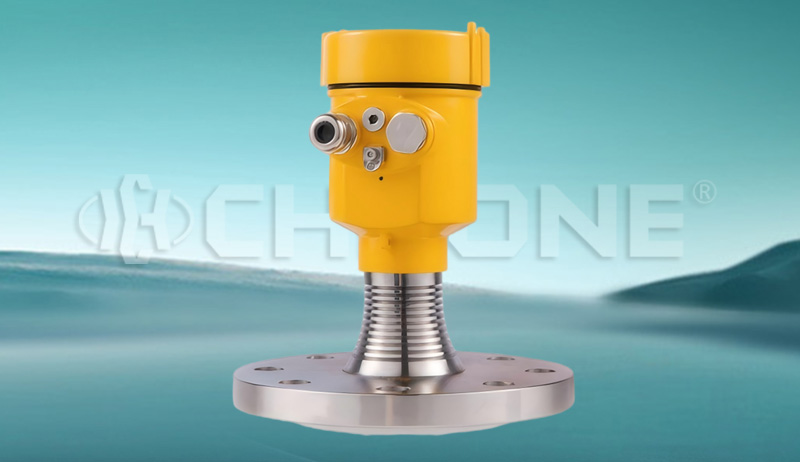
Looking for a guided wave radar level gauge manufacturer? Explore CHHONE industrial measurement solutions for chemical processing, water treatment, oil and gas, power generation, and manufacturing. Review product specifications and identify a suitable level measurement instrument for your application.
Accurate level measurement is essential for industries that store, process, or transport liquids and bulk materials. Chemical manufacturers, water treatment facilities, oil and gas operators, power plants, and industrial production companies rely on dependable level measurement instruments to maintain process control and reduce material handling problems. Choosing a reliable Guided Wave Radar Level Gauge Manufacturer helps businesses find measurement equipment suited to their operating conditions, tank configurations, and monitoring requirements.
A guided wave radar level gauge uses microwave signals that travel along a probe to measure the level of a material inside a tank or vessel. This technology can be suitable for applications where stable measurements are required despite changes in process conditions. By selecting the correct instrument, industrial users can improve tank monitoring, support automated operations, and make better-informed process decisions.
CHHONE offers industrial measurement instruments for different process applications. Businesses looking for guided wave radar level measurement solutions can visit https://www.chhone.com/ to explore the available product range and discuss their technical requirements.
What Is a Guided Wave Radar Level Gauge?
A guided wave radar level gauge is an electronic instrument designed to measure the level of a liquid or compatible bulk material. Unlike non-contact radar devices that transmit signals through open space, guided wave radar directs microwave energy along a rod, cable, or other suitable probe.
The instrument detects the reflected signal generated when the radar pulse encounters a material surface or an interface between two materials. Its electronics process the signal and calculate the distance to the reflecting surface. Using the configured reference distance, the device determines the material level.
Guided wave radar technology is used in many industrial storage and process applications. However, the appropriate probe design and instrument configuration depend on the material being measured, tank geometry, operating conditions, and required measurement performance.
How Guided Wave Radar Level Measurement Works
Guided wave radar measurement commonly uses the time-domain reflectometry principle. The instrument sends a low-energy microwave pulse along the probe installed inside the vessel. When the pulse encounters a change in the dielectric properties of the material, part of the signal is reflected toward the transmitter.
The electronics evaluate the returning signal and determine the distance to the material surface. The level is then calculated from the tank’s configured reference point.
Because the signal follows a defined probe path, guided wave radar can be useful in installations where tank geometry or restricted mounting space makes other measurement methods challenging. It may also perform well in certain applications involving vapor or surface disturbances, although the results depend on the product characteristics and instrument configuration.
Proper probe selection, installation, calibration, and commissioning remain important for obtaining reliable readings.
Key Advantages of Guided Wave Radar Level Gauges
Continuous Level Monitoring
Guided wave radar instruments can provide ongoing level information for tanks, vessels, and compatible material storage systems. Continuous measurement helps operators monitor inventory and respond to changes in process conditions.
Suitable for Different Materials
Depending on the instrument design, probe type, and material properties, guided wave radar can measure a range of liquids and selected bulk solids. Buyers should confirm compatibility with the specific medium before selecting a model.
Fewer Moving Parts
Guided wave radar gauges generally operate without the mechanical floats or moving components found in some traditional level measurement systems. This can reduce certain mechanical maintenance requirements, although inspection and cleaning may still be necessary.
Support for Industrial Automation
Many guided wave radar instruments offer standardized output signals or digital communication options. Compatible systems can transfer level data to industrial controllers, monitoring platforms, and process automation equipment.
Useful for Challenging Installations
The guided probe provides a defined signal path, which can help in certain vessels with limited space or internal structures. The actual suitability depends on probe clearance, buildup, vessel design, and the measured material’s properties.
Industrial Applications of Guided Wave Radar Level Gauges
Chemical Processing Plants
Chemical facilities use storage tanks and process vessels to handle raw materials, intermediate products, and finished chemicals. A correctly selected guided wave radar gauge can help operators monitor levels and support reliable material handling.
Oil and Gas Industry
Oil storage, fuel processing, and related industrial operations require consistent level measurement for inventory management and process supervision. Guided wave radar can be appropriate for selected applications when its pressure, temperature, material compatibility, and safety specifications match the installation.
Water and Wastewater Treatment
Water treatment facilities use tanks and vessels for raw water, treated water, chemical dosing, and wastewater processing. Guided wave radar instruments can support level monitoring where their probe design and material compatibility suit the process.
Power Generation
Power plants rely on tanks and vessels for water, condensate, and other process fluids. Appropriate level instruments help operators monitor material levels and maintain visibility into operating conditions.
Food and General Manufacturing
Manufacturing facilities may require level measurement for ingredients, process liquids, or storage materials. Buyers should consider any hygiene requirements, cleaning procedures, and material compatibility before choosing the instrument.
How to Choose the Right Guided Wave Radar Level Gauge Manufacturer
Selecting a suitable Guided Wave Radar Level Gauge Manufacturer involves evaluating the instrument’s technical capabilities and the supplier’s ability to support the intended application.
First, identify the material being measured and its properties. Factors such as dielectric characteristics, density, viscosity, conductivity, buildup potential, and the presence of multiple liquid layers can influence instrument selection.
Second, determine the vessel dimensions, measurement range, operating pressure, temperature, and available installation space. These details help establish whether a rigid rod, flexible cable, or another probe configuration is appropriate.
Third, review the required accuracy, output signals, communication options, process connections, and environmental protection rating. For hazardous locations, verify the exact model’s certification and suitability for the site’s classification.
Finally, ask for the product datasheet, installation instructions, calibration guidance, warranty information, and maintenance recommendations. Comparing these factors helps buyers choose an instrument based on practical performance requirements rather than price alone.
Why Consider CHHONE for Guided Wave Radar Level Measurement?
CHHONE provides industrial instrumentation for customers seeking solutions for level measurement and other process monitoring applications. Businesses searching for a Guided Wave Radar Level Gauge Manufacturer can explore the company’s official website to identify relevant instruments and discuss their project needs.
Before purchasing, customers should request confirmation of the selected model’s measurement range, probe design, process limits, accuracy, output configuration, and material compatibility. Where required, they should also verify the relevant certifications and installation conditions.
Selecting a product that matches the actual application can help improve measurement consistency and simplify integration into existing industrial systems. For specialized installations, providing the supplier with complete process details can help determine whether the proposed configuration is suitable.
Conclusion
Guided wave radar level gauges provide continuous electronic level measurement for compatible liquids and bulk materials across a range of industrial applications. Their probe-guided measurement principle can be useful where stable readings, defined signal paths, and integration with industrial automation systems are important.
Finding the right Guided Wave Radar Level Gauge Manufacturer requires careful consideration of probe design, material characteristics, operating conditions, measurement specifications, and technical support. CHHONE is a starting point for businesses exploring industrial level measurement solutions. Visit https://www.chhone.com/ to review the available products and contact the company to discuss your requirements. Choosing the appropriate instrument can help improve process visibility, support better material management, and strengthen industrial measurement practices.
👉 Contact CHHONE today to request technical specifications, product details, or a customized quotation. Follow us at Facebook, DeviantArt, LinkedIn and YouTube