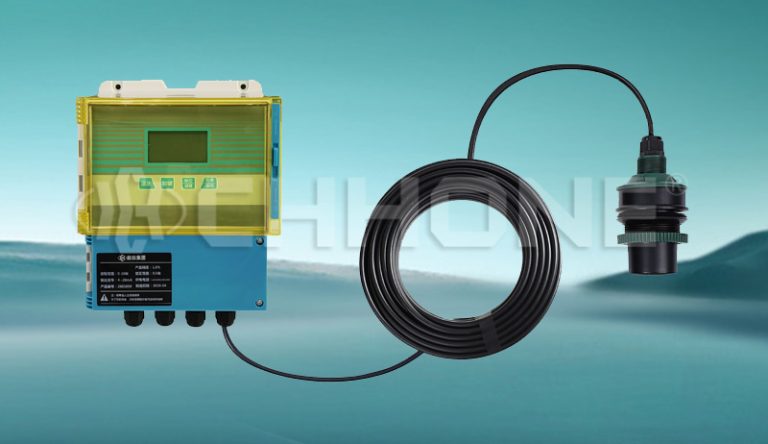
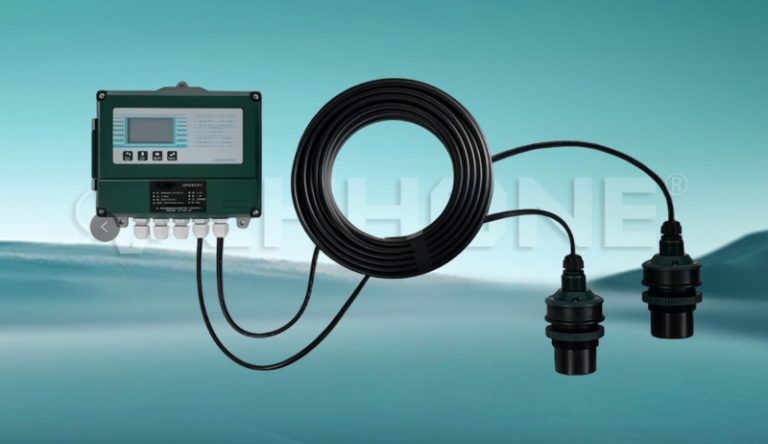
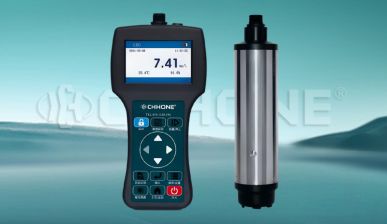
Explosion-Proof Radar Level Transmitters Manufacturer
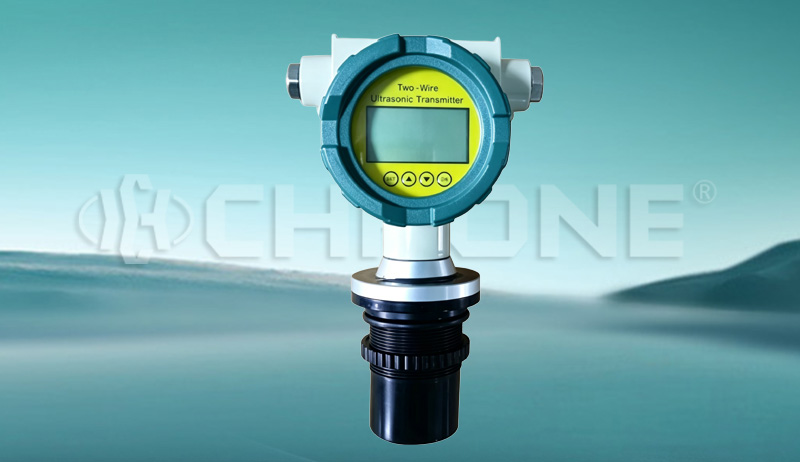
Looking for an explosion-proof radar level transmitters manufacturer? Explore CHHONE industrial measurement solutions for chemical plants, oil and gas facilities, petrochemical processing, and hazardous-area applications. Review product specifications and find a suitable radar level measurement solution for your industrial requirements.
Industrial facilities handling flammable liquids, combustible gases, volatile chemicals, and other hazardous materials require dependable level measurement equipment. Accurate tank monitoring helps operators manage inventory, prevent overfilling, maintain process stability, and support safer industrial operations. Selecting a reliable Explosion-Proof Radar Level Transmitters Manufacturer is an important step for businesses that need consistent measurement performance in designated hazardous areas.
Explosion-proof radar level transmitters use radar technology to measure the distance between an instrument and the surface of a liquid or solid material. Based on this distance, the instrument calculates the material level inside a tank, vessel, or storage container. Depending on the model, radar instruments can support continuous monitoring and integration with industrial automation systems.
CHHONE offers industrial measurement instruments, including radar level transmitters, for different process monitoring applications. Companies searching for industrial level measurement solutions can visit https://www.chhone.com/ to explore the available products and discuss their project requirements.
What Is an Explosion-Proof Radar Level Transmitter?
An explosion-proof radar level transmitter is an industrial measurement device designed for applications where potentially explosive atmospheres may occur. It combines radar sensing technology with a protective design intended to meet specified hazardous-area requirements.
The instrument generally includes a radar antenna, electronic processing components, a housing, and electrical connections. It transmits electromagnetic waves toward the material surface and analyzes the returning signal to calculate the distance. The measured distance is then converted into a level value using the configured tank reference.
These instruments may be used for liquid storage, chemical processing, petrochemical operations, and other industrial applications. However, not every radar transmitter is suitable for every hazardous environment. Buyers must verify the exact model’s explosion-protection certification and confirm that it matches the site’s classification and operating conditions.
How Radar Level Measurement Technology Works
Radar level measurement is based on the transmission and reception of electromagnetic waves. The transmitter sends a radar signal toward the surface of the material. When the signal encounters the surface, part of the energy returns to the antenna.
The instrument evaluates the returning signal using its measurement electronics. Depending on the technology, the system determines the distance through signal travel time or frequency-related information. The transmitter then calculates the material level using the known reference distance.
Because radar measurement does not generally require direct contact with the measured material, it can be useful in applications involving corrosive liquids, changing temperatures, or demanding process conditions. Nevertheless, actual performance depends on antenna design, installation position, tank geometry, surface characteristics, and the instrument’s technical specifications.
Key Advantages of Explosion-Proof Radar Level Transmitters
Reliable Continuous Level Monitoring
Radar level transmitters can provide ongoing measurements that help operators track changes in tank levels. Continuous information supports inventory management, process supervision, and timely responses to abnormal conditions.
Non-Contact Measurement Options
Many radar instruments measure the material surface without touching it. This can reduce certain maintenance concerns associated with contact-based measuring devices, especially when handling aggressive liquids or materials that may cause buildup.
Support for Industrial Automation
Depending on the model, a radar transmitter may provide standard analog outputs or digital communication options. These interfaces allow compatible instruments to communicate with control systems, monitoring equipment, and industrial automation platforms.
Suitability for Demanding Processes
Radar instruments may be suitable for applications involving temperature changes, vapor, or other challenging conditions when the selected model is specifically designed for those requirements. Buyers should verify the permissible process limits before installation.
Hazardous-Area Protection
A properly certified explosion-protected transmitter can be used in the hazardous locations specified by its approval. Correct equipment selection, installation, inspection, and maintenance remain essential for safe operation.
Industrial Applications of Explosion-Proof Radar Level Transmitters
Chemical and Petrochemical Industries
Chemical plants frequently store liquids and process materials that require accurate level monitoring. Radar transmitters can help operators observe vessel levels and support process control when the equipment is compatible with the material and operating environment.
Oil and Gas Facilities
Oil storage terminals, refineries, and gas processing facilities require dependable monitoring of tanks and process vessels. Suitable radar instruments can support inventory measurement and operating supervision in appropriately classified areas.
Pharmaceutical and Manufacturing Facilities
Manufacturing processes may involve solvents, specialized ingredients, and controlled storage systems. Selecting the correct level transmitter helps businesses monitor material quantities and maintain consistent process operations.
Energy and Power Generation
Industrial energy facilities use tanks and vessels for fuel, water, chemicals, and other process materials. Radar level measurement can provide useful operating information when the selected instrument meets the required installation and process specifications.
Water and Wastewater Treatment
Water treatment facilities use level instruments to monitor storage tanks, chemical dosing vessels, and process containers. Where hazardous materials or classified areas are involved, the transmitter must meet the relevant protection requirements.
How to Choose the Right Explosion-Proof Radar Level Transmitters Manufacturer
Choosing a suitable Explosion-Proof Radar Level Transmitters Manufacturer requires careful consideration of application requirements, measurement performance, and safety documentation.
First, identify the material being measured, the tank dimensions, the required measuring range, and the expected process temperature and pressure. Consider whether foam, vapor, condensation, agitation, or internal structures could affect signal quality.
Second, verify the hazardous-area classification and required certification. Review the protection method, gas or dust group, equipment temperature rating, and permitted ambient conditions. Never assume that the term “explosion-proof” automatically means the equipment is suitable for every hazardous location.
Third, check the antenna configuration, mounting arrangement, electrical connections, output signals, and compatibility with the existing control system. Ask the supplier for a technical datasheet and installation instructions before purchasing.
Finally, consider calibration guidance, maintenance requirements, warranty coverage, spare parts, and technical support. Evaluating these factors helps buyers select a solution suited to the actual operating environment rather than choosing equipment based on price alone.
Why Consider CHHONE for Radar Level Measurement Solutions?
CHHONE provides industrial measurement and process instrumentation products for customers in sectors including chemical processing, environmental protection, energy, and manufacturing. Its website lists radar level transmitters alongside other industrial measurement instruments.
Businesses looking for an Explosion-Proof Radar Level Transmitters Manufacturer can explore CHHONE’s product range and contact the company to discuss their technical requirements. Before placing an order, request confirmation of the specific model’s explosion-protection certification, measuring range, process limits, output configuration, and installation compatibility.
Selecting a suitable instrument with verified specifications can help purchasing teams make informed decisions and support dependable level monitoring throughout industrial operations.
Conclusion
Explosion-proof radar level transmitters provide an effective approach to continuous level measurement in industrial environments where hazardous atmospheres may be present. Their radar-based technology can support inventory management, process automation, and non-contact measurement in suitable applications.
Finding the right Explosion-Proof Radar Level Transmitters Manufacturer requires evaluating measurement performance, hazardous-area certification, process conditions, installation requirements, and after-sales support. CHHONE is a useful starting point for businesses exploring industrial level measurement solutions. Visit https://www.chhone.com/ to review the available products and contact the company about your project. Choosing the correct instrument can improve process visibility and support safe, well-managed industrial operations. 👉 Contact CHHONE today to request technical specifications, product details, or a customized quotation. Follow us at Facebook, DeviantArt, LinkedIn and YouTube