Ultrasonic Level Transmitter Supplier: A Comprehensive Guide to Selection, Application, and CHHONE’s Expertise
In industrial process control, reliable level measurement is fundamental to safety, efficiency, and environmental compliance. Among the various technologies available, the ultrasonic level transmitter stands out for its non-contact principle, ease of installation, and cost-effectiveness. As a specializedultrasonic level transmitter Supplier, CHHONE delivers robust measurement solutions engineered for demanding conditions, from hazardous oil and gas facilities to municipal water treatment plants. This article examines the fundamentals of ultrasonic level transmitters, key selection criteria, proper usage practices, and the manufacturing strengths that position CHHONE as a dependable partner for industrial automation.
What Is an Ultrasonic Level Transmitter?
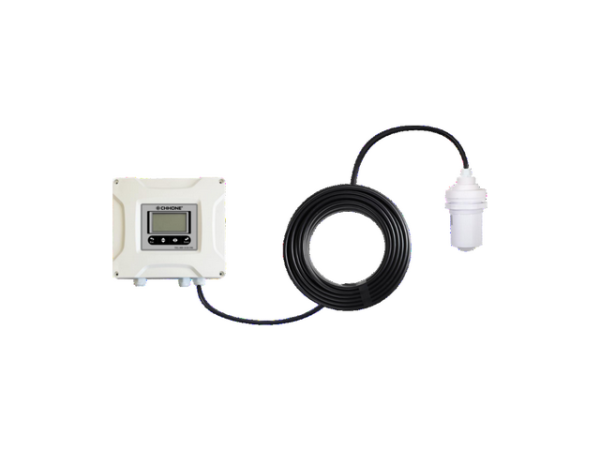
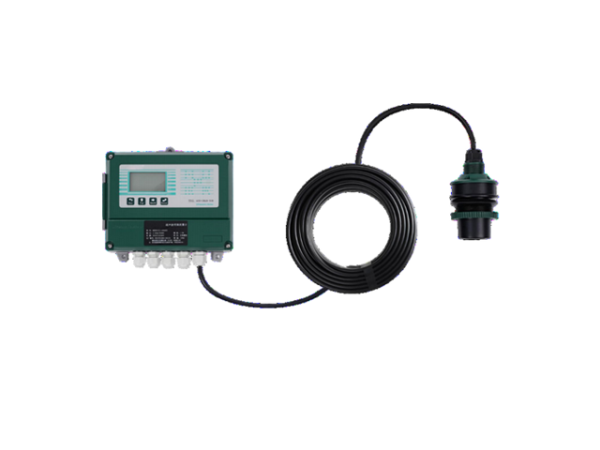
An ultrasonic level transmitter is a microprocessor-based instrument that determines the distance to a material surface by emitting high-frequency sound pulses and measuring the time required for the echo to return to the transducer. This time-of-flight principle enables continuous, non-contact level measurement of liquids and solids in tanks, silos, sumps, and open channels.
The transmitter comprises a piezoelectric transducer that generates the acoustic pulse, a receiver that detects the reflected signal, and electronic circuitry that converts the transit time into a standard output signal—typically 4–20 mA or digital RS485 communication. Because the sensor never contacts the measured medium, it eliminates risks of contamination, corrosion, and wear associated with contact-type instruments such as floats or pressure transmitters. Modern designs incorporate temperature compensation to correct for variations in the speed of sound, ensuring consistent accuracy across changing ambient conditions.
How to Choose the Right Ultrasonic Level Transmitter
Selecting an appropriate transmitter requires careful evaluation of application parameters. As an experiencedultrasonic level transmitter Supplier, CHHONE advises customers to consider several critical factors during the selection process.
Measurement Range and Beam Characteristics.The transmitter’s range must exceed the maximum expected level fluctuation with an adequate safety margin. For a tank with an 8-meter working depth, a 10-meter range instrument provides reliable headroom. Beam angle is equally important: a narrower beam offers more precise targeting in tall, narrow vessels, while a wider beam tolerates greater surface agitation and mounting misalignment. Higher operating frequencies generally produce tighter beam angles and improved resolution, but may be more susceptible to attenuation from dust or foam.
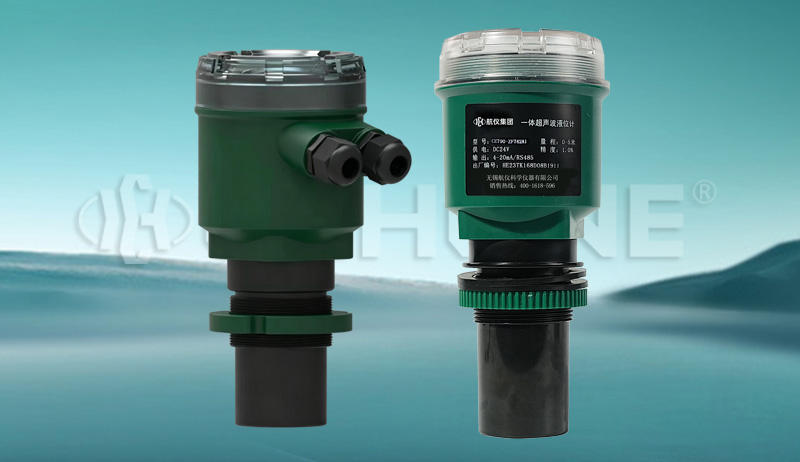
Media and Environmental Conditions.The physical properties of the measured substance directly influence sensor selection. Corrosive chemicals demand transducers with chemically resistant wetted materials such as PVDF or PTFE. Applications involving steam, heavy dust, or thick foam can severely attenuate the acoustic signal, requiring transmitters with advanced echo processing algorithms or consideration of alternative technologies. For installations in hazardous areas containing flammable gases, explosion-proof certified housings are mandatory. CHHONE specializes in explosion-proof ultrasonic level transmitters designed specifically for oil and gas environments, combining safety compliance with reliable measurement performance.
Output, Integration, and Protection.Compatibility with existing control architecture is essential. Users should verify whether the transmitter provides the required 4–20 mA analog output for legacy PLC systems or digital protocols such as Modbus RTU over RS485 for modern DCS integration. Ingress protection ratings must match the installation environment; IP65 suffices for sheltered indoor locations, while IP67 or IP68 is necessary for outdoor, washdown, or submersible applications.
How to Use Ultrasonic Level Transmitters Effectively
Proper installation and configuration are essential to realizing the full performance potential of ultrasonic technology. Even a premium instrument can underperform if mounted incorrectly or configured without regard to site conditions.
Mounting Position and Orientation.The transmitter must be mounted perpendicular to the material surface to ensure the strongest echo return. It should be positioned away from tank walls, inlet streams, agitators, ladders, and other internal obstructions that can generate false echoes. In open channel or river applications, mounting on a stable bracket away from turbulence and debris is recommended. The sensor face should remain parallel to the product surface, and in conical vessels, installation just above the lowest point helps maintain a measurable signal even at low levels.
Configuration and Blind Zone Management.Every ultrasonic transmitter has a blind zone—the minimum distance below the transducer face where measurement is not possible due to ringing after pulse transmission. Configuration must account for this dead band by ensuring the maximum fill level remains outside it. Setting the empty and full distances correctly, along with appropriate damping and filtering parameters, helps stabilize readings in applications with surface ripples or agitation.
Maintenance Considerations.While ultrasonic transmitters require minimal upkeep, periodic inspection of the transducer face is advisable. Accumulation of condensation, dust, or material buildup can dampen the acoustic signal and degrade performance. A simple cleaning with a soft cloth is usually sufficient. CHHONE’s transmitters feature accessible housing designs that facilitate quick inspection and cleaning, minimizing process downtime.
CHHONE: A Trusted Ultrasonic Level Transmitter Supplier
CHHONE has established a reputation for reliability in industrial instrumentation by combining practical product design with rigorous manufacturing standards and application-focused technical support.
Product Features for Demanding Environments.CHHONE’s explosion-proof ultrasonic level transmitters are constructed with robust aluminum alloy housings that withstand harsh industrial conditions while meeting safety certification requirements for hazardous zones. The non-contact measurement principle eliminates wear and contamination, extending service life and reducing total cost of ownership. Output options including 4–20 mA and RS485 ensure seamless integration with PLC and DCS architectures, enabling real-time monitoring and automated control.
Proven Applications Across Industries.CHHONE transmitters are deployed in critical applications worldwide. In the oil and gas sector, they monitor crude oil storage tanks, diesel inventories, and chemical processing units where safety and reliability are paramount. In environmental protection, CHHONE instruments support wastewater treatment monitoring and river level surveillance, providing accurate data for regulatory compliance and flood management. Additional sectors include water treatment, energy production, and general manufacturing where precise level control drives operational efficiency.
Manufacturing Strength and Customer Support.As a dedicatedultrasonic level transmitter Supplier, CHHONE backs its products with comprehensive technical support and a commitment to continuous improvement. Manufacturing processes incorporate testing at every stage, from transducer assembly to final calibration, ensuring that each unit meets stringent performance specifications. By choosing CHHONE, customers gain not merely an instrument but a partnership grounded in reliability, responsiveness, and deep application knowledge. For businesses seeking to strengthen their level measurement capabilities with a dependable supplier, CHHONE delivers the expertise and product quality required to succeed in today’s competitive industrial landscape.