Explosion-Proof Electromagnetic Flowmeter Supplier | CHHONE
Explosion-Proof Electromagnetic Flowmeter: Safe and Reliable Flow Measurement for Hazardous Industrial Environments
In industries where flammable gases, combustible vapors, or potentially explosive atmospheres may be present, selecting the right instrumentation is essential for maintaining safe and efficient production. Flow measurement equipment used in these environments must not only provide dependable measurement performance but also meet the explosion protection requirements of the installation area.
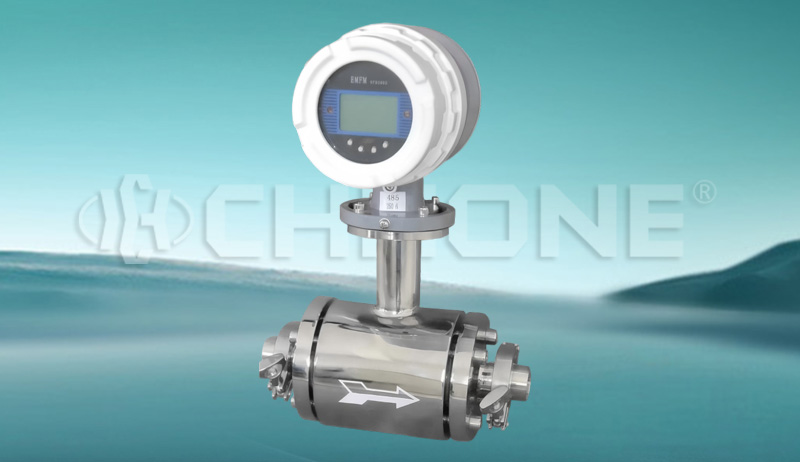
AnExplosion-Proof Electromagnetic Flowmeteris designed to provide electromagnetic flow measurement in industrial applications where explosion protection is required. Combining electromagnetic induction technology with appropriately certified explosion-protected electrical construction, this type of instrument can be used to monitor conductive liquid flow in a wide range of hazardous industrial environments.
From petrochemical processing and chemical manufacturing to pharmaceutical production and industrial fluid transportation, explosion-protected flow measurement instruments play an important role in automated process control.
For industrial buyers, engineering contractors, and equipment distributors, finding a professionalExplosion-Proof Electromagnetic Flowmeter Supplieris an important step toward ensuring that the selected instrument matches both process conditions and hazardous-area requirements.
CHHONE is committed to providing professional electromagnetic flow measurement products and industrial instrumentation solutions to support customers across different industrial sectors.
1. Industrial Safety Starts with the Right Flow Measurement Instrument
Industrial facilities involving flammable or combustible substances often operate under strict safety requirements.
Chemical production lines may transport flammable solvents, petrochemical plants handle hydrocarbon-based process materials, and pharmaceutical facilities may use alcohol-based solutions and other volatile substances.
In these environments, electrical instrumentation must be selected according to the hazardous-area classification and applicable explosion protection requirements.
A conventional flowmeter may not be suitable for installation in a classified hazardous area if its electrical construction and certification do not meet the required protection standards.
An explosion-proof electromagnetic flowmeter provides an appropriate measurement option when the instrument's protection concept, certification, and installation conditions match the requirements of the application.
It is important to understand that explosion protection is not determined by the product name alone. The complete instrument configuration, including the sensor, converter, cable connections, electrical interfaces, and installation accessories, must be evaluated.
2. What Is an Explosion-Proof Electromagnetic Flowmeter?
An Explosion-Proof Electromagnetic Flowmeter is an electromagnetic flow measurement instrument designed for applications requiring specific explosion protection measures.
Its flow measurement function is based on Faraday's Law of Electromagnetic Induction.
When an electrically conductive liquid passes through a magnetic field generated inside the measuring tube, an induced voltage is produced. The voltage is proportional to the average velocity of the liquid under the instrument's specified operating conditions.
Electrodes detect the induced voltage, and the electronic converter processes the signal to calculate the volumetric flow rate.
The basic measurement technology is similar to that of a conventional electromagnetic flowmeter. The difference lies primarily in the electrical protection design and the applicable hazardous-area certification requirements.
Depending on the product design, an explosion-proof electromagnetic flowmeter may incorporate:
-
An electromagnetic sensor for conductive liquid measurement.
-
An explosion-protected electronic converter or enclosure.
-
Certified cable entries and electrical connection components.
-
Suitable grounding and electrical isolation arrangements.
-
A remote or integrated converter configuration.
-
Industrial signal outputs for process monitoring and automation.
Different explosion protection concepts may be used depending on the product design and applicable certification system. Buyers should confirm the actual protection marking and certification documents rather than assume that all explosion-proof models have identical construction.
3. Understanding the Working Principle and Explosion Protection Design
An explosion-proof electromagnetic flowmeter performs two different functions: measuring liquid flow and providing electrical protection suitable for its intended hazardous-area installation.
Understanding these functions separately is important when evaluating the instrument.
Electromagnetic Flow Measurement
The sensor generates a magnetic field across the measuring tube. When conductive liquid flows through this field, an induced voltage is generated.
The electrodes detect the voltage and transmit the signal to the converter.
The converter then processes the signal to determine flow velocity and calculate volumetric flow rate.
Because the measuring tube generally contains no rotating mechanical components, electromagnetic flowmeters offer low mechanical wear and stable operation in suitable applications.
Explosion Protection
Explosion protection focuses on controlling potential ignition sources associated with electrical equipment.
Depending on the selected protection concept, this may involve:
-
Preventing an internal ignition from propagating into the surrounding hazardous atmosphere.
-
Limiting electrical energy to prevent ignition under specified conditions.
-
Controlling surface temperatures.
-
Providing appropriate enclosure protection and certified electrical connections.
Common explosion protection concepts include flameproof enclosure protection, intrinsic safety, and other protection methods defined by applicable standards.
The actual protection concept must correspond to the instrument's certification and the hazardous-area classification.
A flowmeter's explosion protection rating does not automatically make the entire pipeline system explosion-proof. Other connected equipment, wiring, junction boxes, power supplies, and installation practices must also comply with the applicable requirements.
4. Why Choose an Explosion-Proof Electromagnetic Flowmeter?
For industrial users operating in hazardous environments, an explosion-proof electromagnetic flowmeter offers several important advantages.
Reliable Measurement of Conductive Liquids
Electromagnetic flow measurement is suitable for many conductive industrial liquids, including water-based chemical solutions, acids, alkalis, industrial wastewater, and compatible process liquids.
The instrument's suitability depends on the liquid conductivity, chemical composition, temperature, pressure, and selected wetted materials.
No Moving Measuring Components
Unlike turbine and other mechanical flowmeters, electromagnetic flowmeters do not depend on rotating impellers inside the measuring tube.
This helps reduce mechanical wear and minimizes the maintenance associated with moving measurement components.
Minimal Additional Pressure Loss
The measuring tube is generally unobstructed, allowing liquid to pass through without the mechanical restrictions associated with certain other flow measurement technologies.
This characteristic is useful in industrial fluid transportation and continuous production systems.
Suitable for Automated Process Control
Depending on the selected model, the electronic converter can provide analog signals, pulse outputs, and communication interfaces for connection to PLC, DCS, and other industrial control systems.
This supports centralized monitoring and process automation.
Adaptable to Different Industrial Environments
With appropriate explosion protection certification, wetted materials, enclosure configuration, and electrical connections, the instrument can be configured for various hazardous industrial applications.
The final configuration must always match the specific operating environment and applicable safety requirements.
5. Typical Applications in Hazardous Industrial Areas
The demand for explosion-proof flow measurement equipment comes from industries where combustible substances and hazardous atmospheres may occur.
Petrochemical and Oil Refining
Petrochemical plants involve complex processes that transport various conductive liquids, chemical solutions, and process media.
Explosion-proof electromagnetic flowmeters can be used for compatible conductive liquids in classified areas where suitable protection certification is required.
Potential applications include process water, chemical solutions, wastewater, and other conductive auxiliary liquids.
For hydrocarbon products with insufficient electrical conductivity, alternative flow measurement technologies may be necessary.
Chemical Manufacturing
Chemical production facilities often involve acids, alkalis, solvents, and other chemical substances.
An explosion-proof electromagnetic flowmeter with suitable electrode and lining materials can be used for compatible conductive media.
For corrosive applications, material selection is particularly important. Buyers should consider the chemical concentration, temperature, pressure, and potential corrosion mechanisms.
Pharmaceutical and Fine Chemical Production
Pharmaceutical and fine chemical manufacturers may operate production lines involving alcohol-based solutions, chemical additives, and other potentially hazardous materials.
Explosion-protected electromagnetic flowmeters can support flow monitoring for suitable conductive liquids in classified production areas.
The selected instrument should also satisfy any applicable process hygiene, material compatibility, and cleaning requirements.
Paint, Coating, and Ink Manufacturing
Paint and coating production may involve flammable substances, solvents, and conductive liquid formulations.
Where the measured medium has sufficient conductivity, an appropriately configured explosion-proof electromagnetic flowmeter may provide a suitable measurement solution.
However, many solvent-based liquids are non-conductive. The actual liquid properties must be evaluated before selecting electromagnetic technology.
Natural Gas and Energy Facilities
Energy facilities may contain hazardous areas around gas handling, processing, and auxiliary systems.
Explosion-protected instrumentation is important wherever electrical equipment is installed in classified locations.
Electromagnetic flowmeters may be used for suitable conductive liquid applications, such as cooling water, process water, and wastewater systems.
They are not intended for measuring natural gas itself.
6. How to Select the Correct Explosion-Proof Electromagnetic Flowmeter
Selecting an explosion-proof electromagnetic flowmeter requires consideration of both fluid measurement parameters and hazardous-area safety requirements.
A technically suitable instrument must satisfy both sets of conditions.
Step 1: Identify the Hazardous Area Classification
Before selecting a model, determine the hazardous-area classification of the installation location.
Important information includes:
-
Hazardous area zone or division.
-
Gas or dust group, where applicable.
-
Temperature class or maximum permitted surface temperature.
-
Required equipment protection level.
-
Applicable national or international certification system.
For example, ATEX and IECEx are commonly referenced in international hazardous-area equipment selection, while other markets may require different certification systems.
The instrument's actual certification must be checked against the project requirements.
Step 2: Confirm the Measured Liquid
Electromagnetic flowmeters require conductive liquids.
Typical compatible media include:
-
Industrial water.
-
Wastewater.
-
Conductive chemical solutions.
-
Acids and alkalis.
-
Certain process liquids.
Most conventional hydrocarbons, oils, and gases are not suitable for electromagnetic flow measurement because of their low electrical conductivity.
Step 3: Determine Pipeline Diameter and Flow Range
Pipeline diameter and operating flow velocity directly influence the selection of the measuring sensor.
Buyers should provide the nominal pipe diameter and minimum, normal, and maximum flow rates.
The manufacturer can then evaluate the appropriate meter size and measurement range.
Step 4: Select Appropriate Wetted Materials
The measuring tube lining and electrode materials should be selected according to the properties of the measured liquid.
Common material options may include:
-
PTFE lining for many chemically aggressive applications.
-
Rubber lining for suitable water and wastewater applications.
-
Stainless steel electrodes for compatible media.
-
Hastelloy, titanium, tantalum, or other specialized electrode materials for particular chemical conditions.
Material selection should always be based on actual chemical compatibility and operating conditions.
Step 5: Evaluate Temperature and Pressure Conditions
The instrument must operate within its specified pressure and temperature limits.
The operating conditions also affect the selection of the measuring tube, sealing components, converter enclosure, and electrical accessories.
For applications involving temperature fluctuations or pressure variations, the complete instrument configuration should be reviewed.
Step 6: Confirm Signal Outputs and Installation Configuration
The required signal output should match the existing automation system.
Depending on the product model, available configurations may include:
-
4-20 mA analog output.
-
Pulse output.
-
Frequency output.
-
Digital communication interfaces.
-
Integrated or remote converter configurations.
For hazardous-area installations, the electrical interface and wiring arrangement must also comply with the relevant certification requirements.
7. Explosion-Proof vs. Non-Explosion-Proof Electromagnetic Flowmeters
Both types use the same basic electromagnetic measurement principle, but their electrical protection requirements are different.
| Comparison | Explosion-Proof Type | Standard Type |
|---|---|---|
| Measurement principle | Electromagnetic induction | Electromagnetic induction |
| Electrical protection | Designed for specified hazardous-area requirements | General industrial electrical protection |
| Certification | Requires applicable explosion protection certification when specified | Generally not intended for classified hazardous areas |
| Construction | Includes certified protection features | Conventional enclosure and electrical design |
| Application | Classified hazardous industrial locations | General industrial environments |
| Selection focus | Measurement and explosion protection | Primarily measurement and environmental suitability |
An explosion-proof electromagnetic flowmeter should not be selected solely because the installation is located in a chemical or petrochemical plant.
The actual hazardous-area classification must be verified. Some areas within these facilities may not be classified as hazardous, while others may require specific protection levels.
Correct classification helps avoid both insufficient protection and unnecessary equipment costs.
8. Installation and Maintenance: Essential Considerations for Hazardous Environments
Proper installation is essential for maintaining both flow measurement performance and explosion protection integrity.
Even a correctly certified instrument can become unsafe or unsuitable if installed incorrectly or modified without authorization.
Verify the Installation Location
Confirm that the instrument's certification matches the hazardous-area classification, gas or dust group, and temperature requirements.
Follow the Manufacturer's Electrical Instructions
Cable entries, sealing components, grounding connections, and wiring methods must follow the certified product documentation.
Avoid Unauthorized Modifications
Do not modify certified enclosures, drill additional holes, replace certified electrical components with non-approved parts, or alter protection structures without the manufacturer's authorization and appropriate certification evaluation.
Maintain Suitable Pipeline Conditions
The measuring tube should remain full during normal operation. Adequate upstream and downstream straight pipe sections should be provided according to the manufacturer's recommendations.
Inspect the Electrical Protection Components
Regular inspection should cover enclosure integrity, cable glands, sealing components, grounding connections, and signs of corrosion or mechanical damage.
Use Qualified Installation Personnel
Installation, inspection, and maintenance in hazardous areas should be carried out by personnel with appropriate training and authorization.
Any work that could affect explosion protection must follow applicable safety procedures and the certified equipment documentation.
These measures help maintain the instrument's intended protection performance throughout its service life.
9. What Makes a Professional Explosion-Proof Electromagnetic Flowmeter Supplier?
When purchasing flow measurement equipment for hazardous industrial applications, supplier selection deserves particular attention.
A professional Explosion-Proof Electromagnetic Flowmeter Supplier should understand both electromagnetic measurement technology and hazardous-area equipment requirements.
Verified Explosion Protection Certification
The supplier should provide valid certification documents applicable to the exact product model and configuration.
Customers should verify the certificate number, protection marking, applicable standards, and certification scope.
A general statement that a product is explosion-proof is not sufficient evidence of compliance.
Strong Product Engineering Capabilities
A capable supplier should understand different pipeline configurations, fluid characteristics, measurement ranges, and electrical protection requirements.
This is especially important for projects that involve corrosive liquids, high temperatures, or specialized installation environments.
Reliable Manufacturing and Quality Control
Manufacturing quality affects the long-term stability and reliability of the instrument.
Buyers should evaluate the supplier's component inspection, assembly procedures, electrical testing, calibration, and final product verification processes.
Technical Documentation and Application Support
Professional suppliers should be able to provide relevant product specifications, installation instructions, wiring diagrams, material information, and applicable certification documents.
Technical support during the selection and commissioning stages can help reduce project risks.
Customization and Long-Term Service
Industrial customers may require different nominal diameters, lining materials, electrode configurations, converter arrangements, and output signals.
A supplier capable of evaluating these requirements can provide more appropriate solutions for different industrial applications.
10. CHHONE: Professional Electromagnetic Flow Measurement Solutions for Industrial Users
CHHONE focuses on industrial flow measurement products and instrumentation solutions, providing product options for customers with different process requirements.
In hazardous industrial environments, selecting a suitable electromagnetic flowmeter involves more than choosing a measurement range. The instrument must also match the hazardous-area classification, electrical protection requirements, fluid characteristics, and installation conditions.
CHHONE recognizes the importance of coordinating these technical factors when evaluating explosion-proof electromagnetic flow measurement applications.
For customers in chemical processing, petrochemical production, pharmaceutical manufacturing, and other industrial sectors, important selection parameters include:
-
Hazardous-area classification.
-
Required explosion protection certification.
-
Nominal pipeline diameter.
-
Minimum and maximum flow rates.
-
Liquid conductivity and chemical composition.
-
Operating pressure and temperature.
-
Electrode and lining materials.
-
Converter installation configuration.
-
Signal outputs and communication requirements.
By focusing on application suitability and professional product configuration, CHHONE aims to support industrial end users, engineering contractors, equipment distributors, and system integrators.
For buyers searching for an Explosion-Proof Electromagnetic Flowmeter Supplier, CHHONE is an option to consider when evaluating industrial electromagnetic flow measurement products and solutions.
Customers are encouraged to provide detailed project information so that the appropriate product configuration and applicable certification requirements can be evaluated before ordering.
11. Frequently Asked Questions About Explosion-Proof Electromagnetic Flowmeters
Q1: What is an explosion-proof electromagnetic flowmeter?
It is an electromagnetic flow measurement instrument designed with specific explosion protection features and certification for installation in applicable hazardous industrial environments. It measures the flow of conductive liquids using electromagnetic induction.
Q2: Can an explosion-proof electromagnetic flowmeter measure oil and gasoline?
Generally, conventional electromagnetic flowmeters cannot measure most oils and gasoline because these liquids have insufficient electrical conductivity. Alternative flow measurement technologies should be considered.
Q3: What industries commonly use explosion-proof electromagnetic flowmeters?
Typical industries include petrochemical processing, chemical manufacturing, pharmaceuticals, fine chemicals, paint production, and industrial facilities with classified hazardous areas. Actual applications depend on liquid conductivity and the instrument's certification.
Q4: What is the difference between ATEX and IECEx?
ATEX is a European regulatory framework covering equipment intended for potentially explosive atmospheres. IECEx is an international certification system based on applicable IEC standards. Their requirements and acceptance arrangements are not identical, so buyers should confirm which certification is required in the destination market.
Q5: Does an explosion-proof electromagnetic flowmeter require special installation?
Yes. Installation must follow the certified product documentation and applicable hazardous-area requirements. Cable entries, electrical connections, grounding, enclosure integrity, and maintenance procedures require particular attention.
Q6: Can an explosion-proof electromagnetic flowmeter be used outdoors?
Yes, if its enclosure protection rating, ambient temperature range, corrosion resistance, and other environmental specifications are suitable for the outdoor installation conditions.
Q7: How do I choose a reliable explosion-proof electromagnetic flowmeter supplier?
Evaluate the supplier's applicable product certifications, manufacturing and quality control capabilities, calibration procedures, technical documentation, material options, and after-sales support.
Q8: What information should I provide when requesting a quotation?
Customers should provide the measured liquid, pipeline diameter, flow range, operating pressure, temperature, hazardous-area classification, required explosion protection certification, material requirements, power supply, and signal output specifications.
Providing these details helps the supplier recommend a suitable model and avoid configuration mismatches.
12. Contact CHHONE for Your Explosion-Proof Flow Measurement Requirements
Reliable flow measurement and appropriate explosion protection are both important for industrial production in hazardous environments.
An Explosion-Proof Electromagnetic Flowmeter combines electromagnetic measurement technology with specialized electrical protection design, making it a valuable option for monitoring compatible conductive liquids in classified industrial areas.
Selecting the right instrument requires careful evaluation of the fluid, pipeline, operating conditions, hazardous-area classification, and certification requirements.
CHHONE is committed to providing professional electromagnetic flow measurement products and industrial instrumentation solutions to meet different customer needs.
Whether you are purchasing equipment for a chemical processing plant, upgrading an existing industrial pipeline, or sourcing products for an engineering project, CHHONE welcomes your inquiries.
Contact CHHONE today to discuss your technical requirements and explore suitable Explosion-Proof Electromagnetic Flowmeter solutions for your industrial applications.