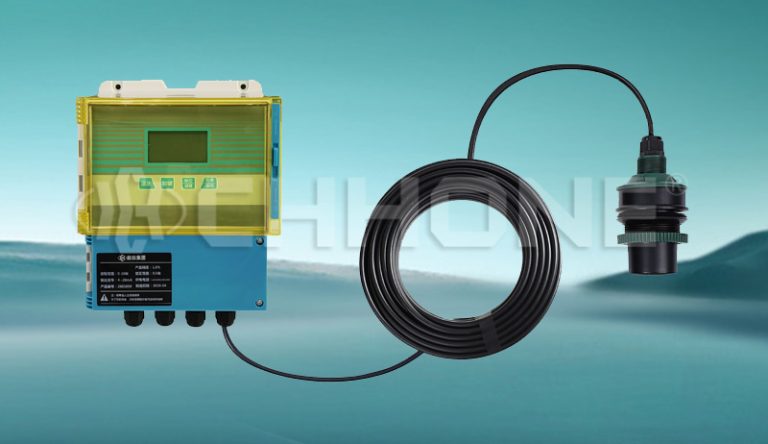
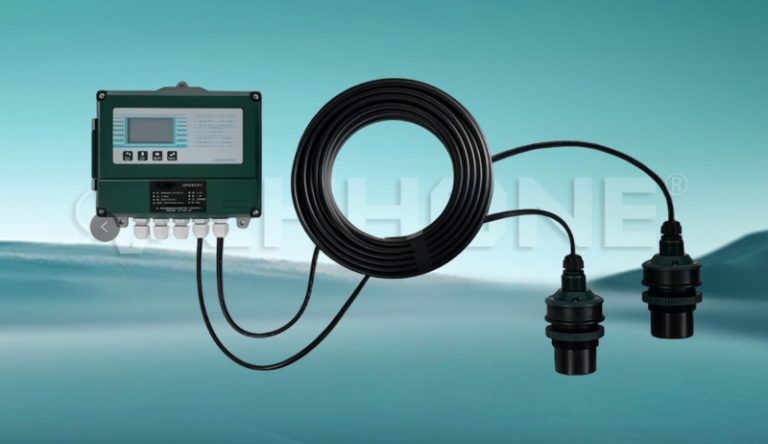
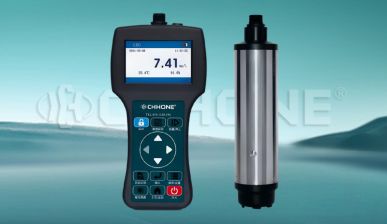
Explosion-Proof Ultrasonic Level Meter Manufacturer
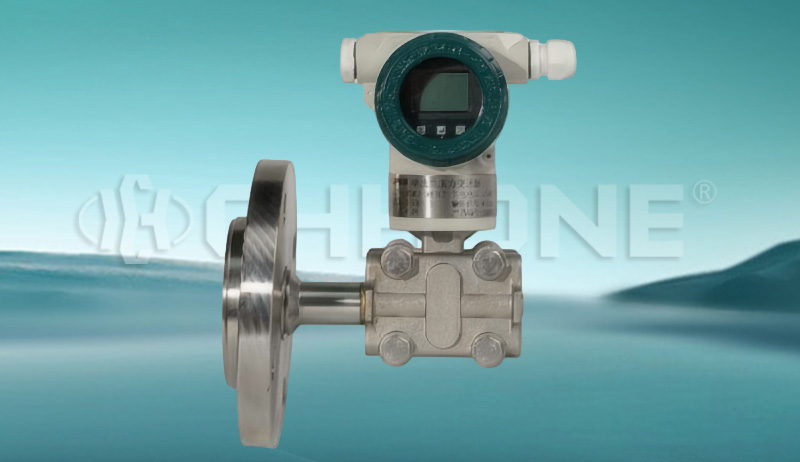
Looking for an Explosion-Proof Ultrasonic Level Meter Manufacturer? Explore CHHONE industrial level measurement solutions for hazardous-area applications, non-contact monitoring, and process automation. Contact CHHONE to discuss your measurement requirements and find a suitable instrument for your facility.
Industrial facilities that handle flammable liquids, combustible gases, and potentially explosive atmospheres require dependable measurement equipment to support safe and efficient operations. An Explosion-Proof Ultrasonic Level Meter Manufacturer provides level measurement solutions designed for applications where equipment safety, measurement consistency, and operational reliability are essential. These instruments help industrial operators monitor liquid levels in tanks, vessels, and process systems without direct contact with the measured material.
CHHONE offers industrial instrumentation for level measurement, flow monitoring, and environmental analysis. Businesses searching for an experienced instrumentation partner can explore the solutions available at https://www.chhone.com/ and discuss their process requirements with the company. Selecting the correct level meter can help improve inventory management, reduce unnecessary manual inspections, and support better process control.
What Is an Explosion-Proof Ultrasonic Level Meter?
An explosion-proof ultrasonic level meter is an electronic instrument designed to measure material levels in specified hazardous environments when its construction and certification are suitable for those conditions. It uses ultrasonic sound waves to determine the distance between the sensor and the surface of a liquid or other compatible material.
Unlike contact-based measurement devices, ultrasonic meters generally operate without touching the measured substance. This can be beneficial when monitoring corrosive liquids, wastewater, industrial process liquids, and other materials that may make direct-contact instruments more difficult to maintain.
The explosion-protection design is an important part of the equipment. Depending on the model, it may involve a certified enclosure, an intrinsically safe circuit design, or another approved protection method. Buyers should verify that the instrument’s certification matches the hazardous-area classification, gas or dust group, and temperature requirements of their installation.
How Explosion-Proof Ultrasonic Level Measurement Works
An ultrasonic level meter sends sound pulses toward the surface of the material being measured. When the pulses reach that surface, part of the sound energy returns to the sensor as an echo. The instrument measures the travel time and uses the speed of sound to calculate the distance.
The basic distance calculation is:
Distance = Speed of Sound × Echo Travel Time ÷ 2
When the installation height is known, the instrument can calculate the material level by subtracting the measured distance from the reference height. The resulting measurement may be displayed locally or transmitted to a compatible monitoring or control system, depending on the product configuration.
Measurement performance depends on the installation and operating conditions. Vapour, foam, turbulence, condensation, temperature changes, tank obstructions, and weak surface reflections can affect the echo. A professional Explosion-Proof Ultrasonic Level Meter Manufacturer should help customers evaluate these conditions before choosing a suitable model.
Key Benefits of Choosing an Explosion-Proof Ultrasonic Level Meter
Non-Contact Measurement
Ultrasonic technology can measure compatible materials without placing a probe directly into the liquid. This helps reduce direct exposure of the sensing element to corrosive or contaminated media and can simplify certain maintenance tasks.
Support for Hazardous-Area Applications
A correctly selected and certified explosion-protected instrument can be used in designated hazardous locations within the limits of its approval. Customers must confirm the exact certification and installation requirements rather than relying on the product name alone.
Continuous Level Monitoring
Suitable instruments can provide ongoing level information for storage tanks, process vessels, and industrial systems. Continuous monitoring helps operators identify changing levels, manage replenishment, and configure alarms when supported by the connected equipment.
Integration with Industrial Control Systems
Depending on the model, available outputs may include analog signals, digital communication, or relay functions. These options can help connect level data to programmable logic controllers, distributed control systems, or remote monitoring platforms. Always confirm the actual interface and compatibility before ordering.
Reduced Routine Contact with Process Materials
Because the measurement does not generally require a submerged sensing element, ultrasonic instruments may reduce some cleaning and inspection needs associated with contact-based technologies. However, periodic inspection and maintenance remain important for dependable performance.
Industrial Applications of Explosion-Proof Ultrasonic Level Meters
Chemical Processing Plants
Chemical facilities may store and process liquids that require careful monitoring. A suitable explosion-proof ultrasonic level meter can help operators observe tank levels and support process automation when the liquid surface and installation conditions are appropriate.
Oil and Gas Facilities
Storage areas, transfer systems, and selected process installations may require level monitoring in hazardous locations. The instrument must be specifically approved for the area’s classification and suitable for the actual vapour, temperature, and environmental conditions.
Wastewater and Environmental Treatment
Industrial wastewater facilities use level measurement to support tank management, collection systems, and treatment processes. Ultrasonic technology can be useful where non-contact monitoring is preferred, provided foam, turbulence, and vapour do not prevent reliable readings.
Manufacturing and Process Industries
Factories with liquid storage, chemical handling, or automated production systems can use level measurement to improve visibility into material availability. Properly integrated readings can help reduce manual checking and support more consistent operational decisions.
How to Choose the Right Explosion-Proof Ultrasonic Level Meter Manufacturer
Selecting a manufacturer involves more than comparing prices. Buyers should evaluate technical suitability, safety documentation, product quality, and the level of support available before and after purchase.
First, confirm hazardous-area certification. Check the protection concept, equipment marking, gas or dust group, temperature class, and applicable regional requirements. The instrument must be approved for the intended location and installed according to the manufacturer’s instructions.
Second, assess the measurement conditions. Provide the manufacturer with the required measuring range, tank dimensions, material characteristics, process temperature, pressure, and expected vapour or foam conditions. These details help determine whether ultrasonic measurement is appropriate.
Third, check output and communication options. Verify the required power supply, analog output, digital protocol, relay functions, display, and control-system compatibility. Do not assume that every model supports the same features.
Fourth, review product documentation and quality procedures. Request technical datasheets, installation instructions, certificates, calibration information, and applicable test records. Confirm that the documentation refers to the exact model being purchased.
Finally, evaluate technical assistance and customization. A responsive supplier can help clarify specifications, installation limitations, and maintenance needs. Clear communication before ordering can reduce the risk of selecting an unsuitable instrument.
Why Consider CHHONE for Industrial Level Measurement?
CHHONE provides instrumentation products for industrial measurement and environmental monitoring. Its product portfolio includes ultrasonic level measurement equipment alongside other instruments used for process monitoring and automation. Customers can review the company’s available product categories and contact its team to discuss project requirements.
When evaluating CHHONE as a potential supplier, buyers should share their application details and request confirmation of the specific model’s measuring range, environmental limits, output options, and explosion-protection certification. This approach supports a more informed purchasing decision and helps ensure that the selected equipment meets the installation requirements.
For distributors, engineering contractors, plant operators, and industrial procurement teams, choosing a supplier that communicates clearly about specifications can make product selection and project planning more straightforward.
Conclusion
Choosing the right Explosion-Proof Ultrasonic Level Meter Manufacturer is an important step toward dependable level monitoring in hazardous industrial environments. Ultrasonic measurement offers non-contact operation, continuous monitoring possibilities, and integration options for suitable applications. However, reliable results depend on correct instrument selection, appropriate installation, and verified explosion-protection certification.
CHHONE is a potential supplier for businesses exploring industrial level measurement and automation instruments. Visit https://www.chhone.com/ to review available solutions and contact the company with your technical requirements. By comparing product documentation, safety approvals, measurement conditions, and technical support, buyers can select a level measurement solution that better supports operational efficiency and workplace safety.
👉 Contact CHHONE today to request technical specifications, product details, or a customized quotation. Follow us at Facebook, DeviantArt, LinkedIn and YouTube