Ultra-low Turbidity Meter Supplier
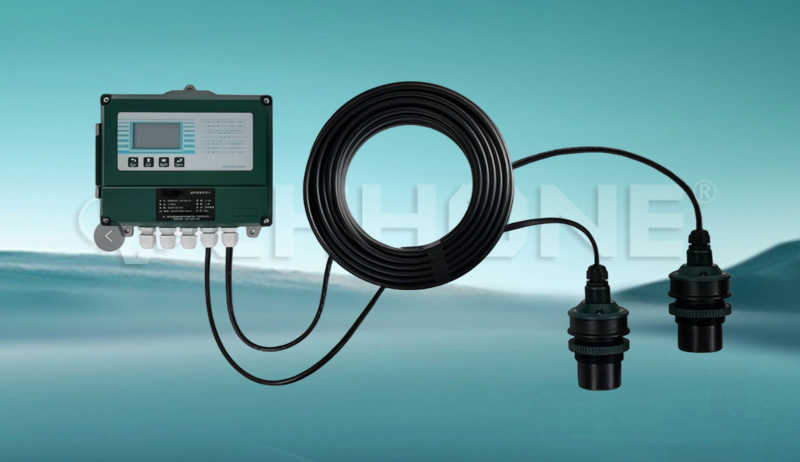
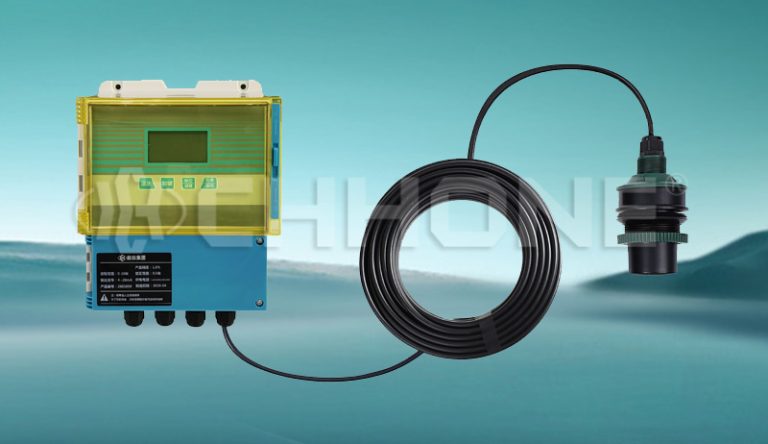
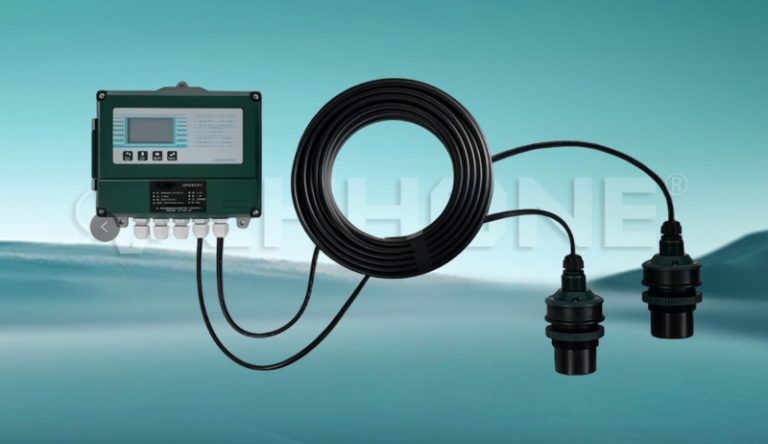
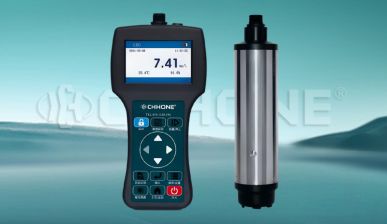
Looking for a reliable ultra-low turbidity meter supplier? Explore CHHONE water quality monitoring solutions for water treatment plants, laboratories, filtration systems, environmental testing, and industrial applications. Request product specifications to identify a suitable turbidity measurement instrument.
Clean water is essential for public health, industrial production, environmental protection, and modern water treatment systems. Even when water appears clear to the naked eye, tiny suspended particles may remain and affect its quality. Measuring these particles accurately is important for facilities that require strict water quality control. Choosing a reliable Ultra-low Turbidity Meter Supplier helps water treatment plants, laboratories, pharmaceutical manufacturers, and industrial facilities identify suitable instruments for monitoring very low turbidity levels.
An ultra-low turbidity meter is designed to detect small amounts of suspended particles in water and provide information about water clarity. It supports quality monitoring in applications where conventional visual inspection cannot deliver sufficient detail. CHHONE provides water quality analysis instruments for environmental monitoring and industrial applications. Businesses seeking an ultra-low turbidity measurement solution can visit https://www.chhone.com/ to explore the company’s water analysis products and discuss their technical requirements.
What Is an Ultra-low Turbidity Meter?
An ultra-low turbidity meter is a water quality instrument designed to measure the cloudiness of water at very low particle concentrations. Turbidity generally results from suspended materials such as fine sediment, organic particles, microorganisms, and other substances that scatter light as it passes through a water sample.
Many turbidity meters use optical measurement technology. A light source illuminates the sample, and a detector measures light scattered by the particles. Depending on the instrument design and applicable measurement standard, the system calculates turbidity and reports the result in nephelometric turbidity units (NTU) or another specified unit.
Ultra-low turbidity instruments are particularly useful when water clarity must be monitored closely. Their suitability depends on measurement range, detection capability, optical design, sample characteristics, and operating conditions.
Why Ultra-low Turbidity Monitoring Matters
Monitoring very low turbidity levels helps water treatment professionals evaluate filtration performance and identify changes that may require investigation. A sudden increase in turbidity can indicate a problem with filtration, changes in source water, contamination, or another process disturbance.
In drinking water treatment, turbidity measurement helps operators assess the effectiveness of clarification and filtration stages. In industrial applications, it supports quality checks where suspended particles may affect downstream equipment or product requirements. Regular measurement also provides useful records for process evaluation and quality management.
An appropriate ultra-low turbidity meter allows operators to move beyond visual observations and make decisions using measurable data. However, turbidity is only one indicator of water quality and should be considered alongside other parameters when evaluating water safety or treatment performance.
Main Applications of Ultra-low Turbidity Meters
Drinking Water Treatment Plants
Water treatment facilities use turbidity measurements to monitor water clarity throughout treatment. Measuring turbidity after filtration can help operators identify changes in filter performance and determine when additional inspection or process adjustments may be necessary.
Pharmaceutical and Laboratory Applications
Laboratories and pharmaceutical facilities may require controlled water quality for testing, cleaning, or manufacturing processes. An appropriate turbidity meter helps personnel monitor particulate-related changes where low turbidity is an important quality indicator. Instrument selection should follow the facility’s applicable validation and quality requirements.
Industrial Process Water
Manufacturing facilities often depend on suitable water quality to maintain stable operations. Turbidity monitoring can help identify suspended particles that may affect process consistency, filtration systems, or downstream equipment. The required measurement range depends on the particular industrial application.
Environmental Water Monitoring
Environmental laboratories and water management organizations use turbidity measurements to assess changes in rivers, reservoirs, and other water sources. Ultra-low turbidity measurement can be valuable when examining relatively clear samples and tracking subtle changes in suspended material.
Filtration System Performance
Filtration equipment is designed to remove particles from water, but performance may change as filters become loaded, damaged, or incorrectly operated. Regular turbidity measurement provides useful information for evaluating filtered water quality and identifying unusual trends.
Benefits of Choosing a Reliable Ultra-low Turbidity Meter Supplier
Selecting a dependable Ultra-low Turbidity Meter Supplier involves evaluating instrument specifications, measurement reliability, technical assistance, and suitability for the intended application.
Sensitive optical measurement: Suitable instruments can detect small changes in water clarity within their specified operating range.
Process quality monitoring: Regular measurements help operators evaluate filtration performance and identify unusual changes in water conditions.
Laboratory and industrial versatility: Different instrument configurations can support laboratory testing, online monitoring, and selected industrial applications.
Data-based decision-making: Reliable turbidity readings help teams document water quality trends and investigate process variations.
Technical guidance: A knowledgeable supplier can help buyers compare measurement ranges, optical configurations, calibration requirements, and installation options.
Actual instrument performance depends on the model, sample characteristics, calibration, and measurement conditions. Buyers should confirm technical specifications rather than assume every ultra-low turbidity meter provides the same sensitivity or accuracy.
How to Select the Right Ultra-low Turbidity Meter
Before purchasing an instrument, define the expected turbidity range and the level of sensitivity required. Consider whether the equipment will be used for laboratory samples, field testing, or continuous online monitoring. These requirements influence the suitable instrument configuration and installation method.
Next, examine the measurement principle, stated accuracy, resolution, repeatability, calibration procedure, and sample handling requirements. Ultra-low turbidity measurement can be affected by air bubbles, fingerprints on optical surfaces, dirty sample containers, stray light, and other sources of interference. Proper sampling and instrument maintenance are therefore essential.
For online installations, confirm the available output signals, communication interfaces, power supply, enclosure protection, and compatibility with the existing monitoring system. Buyers should also ask about consumables, cleaning procedures, maintenance intervals, warranty conditions, and technical support.
Comparing these factors before ordering helps businesses choose an instrument that meets their measurement objectives and operating conditions.
Why Consider CHHONE as Your Ultra-low Turbidity Meter Supplier?
CHHONE specializes in industrial instrumentation and water quality analysis equipment for environmental monitoring, water treatment, and other industrial applications. Its product portfolio includes water analysis instruments and monitoring solutions for different measurement requirements. <Cite refs={[“turn166942search0″,”turn166942search1”]}/>
Businesses searching for an Ultra-low Turbidity Meter Supplier can explore CHHONE’s official website to review relevant water quality instruments and contact the company about their projects. Before placing an order, request the product datasheet and confirm the available turbidity range, accuracy, measurement method, installation configuration, and maintenance requirements.
Choosing equipment according to actual application conditions helps purchasing teams avoid unsuitable specifications and develop a more effective water quality monitoring program. For projects involving multiple water quality parameters, turbidity monitoring can also be integrated into a broader analytical approach alongside measurements such as pH, conductivity, and dissolved oxygen, where appropriate.
Conclusion
Ultra-low turbidity meters play an important role in monitoring clear water, evaluating filtration performance, and identifying changes in water treatment processes. Their optical measurement capabilities help laboratories, treatment facilities, and industrial operators obtain information that visual inspection alone cannot provide.
Finding the right Ultra-low Turbidity Meter Supplier requires careful evaluation of measurement sensitivity, accuracy, application requirements, maintenance procedures, and technical support. CHHONE is a useful starting point for businesses exploring water quality monitoring equipment. Visit https://www.chhone.com/ to review available instruments and contact the company to discuss your requirements. Selecting a suitable turbidity meter can support more consistent monitoring, better process decisions, and effective water quality management.
👉 Contact CHHONE today to request technical specifications, product details, or a customized quotation. Follow us at Facebook, DeviantArt, LinkedIn and YouTube