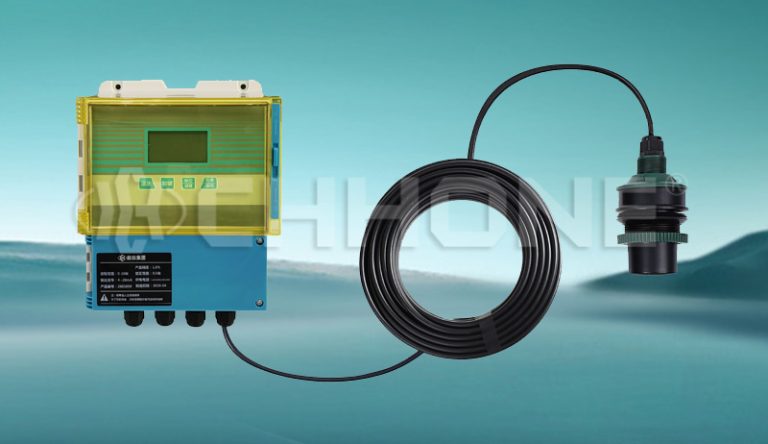
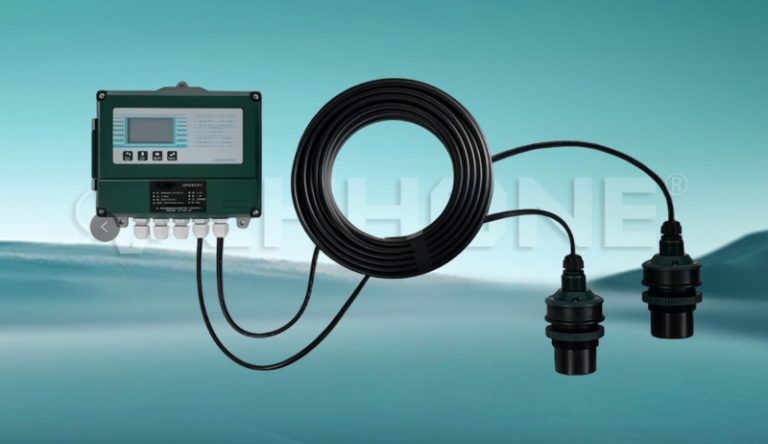
Fluorescent Dissolved Oxygen Meter Manufacturer
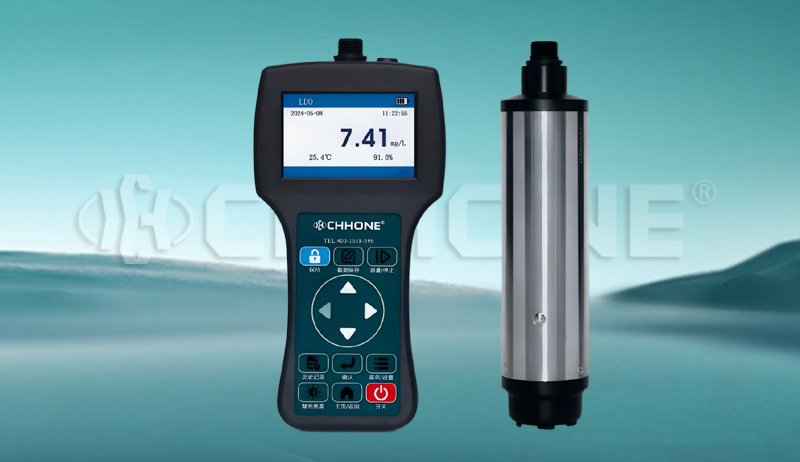
Looking for a fluorescent dissolved oxygen meter manufacturer? Explore CHHONE water quality monitoring solutions for wastewater treatment, aquaculture, environmental testing, and industrial applications. Discover optical dissolved oxygen measurement technology and request product specifications for your monitoring requirements.
Reliable water quality monitoring is essential for wastewater treatment, environmental protection, aquaculture, and industrial process control. Dissolved oxygen (DO) is an important water quality parameter because it indicates the amount of oxygen available in water for aquatic organisms and biological processes. Choosing a dependable Fluorescent Dissolved Oxygen Meter Manufacturer helps businesses identify measurement equipment that supports consistent monitoring, efficient operation, and better water management decisions.
Fluorescent dissolved oxygen meters use optical sensing technology to measure oxygen concentration in water. Unlike conventional electrochemical sensors that may require membrane and electrolyte replacement, fluorescence-based sensors generally reduce these routine maintenance tasks. They are suitable for applications that require regular testing or continuous dissolved oxygen monitoring. For companies seeking industrial water analysis solutions, CHHONE offers water quality instruments for different monitoring requirements. Buyers can explore the available product range at https://www.chhone.com/ and select equipment according to their application needs.
What Is a Fluorescent Dissolved Oxygen Meter?
A fluorescent dissolved oxygen meter is an analytical instrument that determines the oxygen concentration in water through the optical response of a specialized sensing material. The instrument typically includes a fluorescent sensor, an optical measurement system, electronic processing components, and a display or output interface.
When the sensing material interacts with oxygen, its fluorescence behavior changes in a predictable way. The instrument evaluates this response and converts it into a dissolved oxygen reading. Results are commonly expressed in milligrams per liter (mg/L) or percentage saturation, depending on the instrument configuration.
This technology is widely applicable to water treatment plants, environmental monitoring stations, fish farms, and industrial water systems. Selecting the right model requires attention to measurement range, accuracy, temperature conditions, sensor design, and installation requirements.
How Fluorescent Dissolved Oxygen Measurement Works
The operating principle of a fluorescent dissolved oxygen meter is based on the interaction between oxygen molecules and a light-sensitive sensing layer. The instrument directs light toward the sensing material, which responds by emitting fluorescence. Oxygen influences this response, particularly the fluorescence lifetime or intensity, depending on the sensor design.
The instrument analyzes the optical signal and calculates the corresponding dissolved oxygen concentration. Because the measurement relies on an optical response rather than oxygen consumption through an electrochemical reaction, the sensor can avoid certain limitations associated with conventional electrochemical probes.
Temperature compensation and proper calibration help maintain measurement reliability under changing conditions. Although fluorescence-based sensors can reduce routine maintenance, the sensing surface still requires appropriate cleaning and inspection. Users should follow the manufacturer’s instructions to ensure dependable performance throughout the instrument’s service life.
Main Applications of Fluorescent Dissolved Oxygen Meters
Wastewater Treatment Plants
Wastewater treatment facilities use dissolved oxygen measurements to monitor aerobic biological treatment processes. Microorganisms need oxygen to break down organic matter, and unsuitable oxygen levels can affect treatment efficiency. A suitable fluorescent dissolved oxygen meter helps operators observe oxygen conditions and make informed decisions about aeration control.
Environmental Water Quality Monitoring
Rivers, lakes, reservoirs, and other natural water bodies require regular observation to understand changing environmental conditions. Dissolved oxygen readings help environmental professionals assess aquatic habitats and investigate possible pollution impacts. Fluorescence-based instruments can support repeated field measurements and continuous monitoring installations.
Aquaculture and Fish Farming
Fish and other aquatic organisms depend on adequate dissolved oxygen for healthy growth and survival. Regular oxygen monitoring helps aquaculture operators identify changing water conditions and take corrective action when necessary. The required oxygen level depends on fish species, water temperature, stocking density, and the farming environment.
Industrial Water Management
Manufacturing facilities may monitor dissolved oxygen in process water, cooling systems, and industrial wastewater. A properly selected instrument helps operators understand water conditions and support process management. Equipment selection should always account for the specific characteristics of the water and the operating environment.
Benefits of Choosing a Reliable Fluorescent Dissolved Oxygen Meter Manufacturer
Finding a suitable Fluorescent Dissolved Oxygen Meter Manufacturer involves evaluating product quality, measurement performance, application suitability, and technical support.
Reduced maintenance requirements: Optical dissolved oxygen sensors generally avoid routine membrane and electrolyte replacement associated with many electrochemical probes.
Convenient monitoring: Fluorescence-based measurement supports regular oxygen testing and can be integrated into compatible online monitoring systems.
Consistent measurement practices: Correct calibration, suitable installation, and routine sensor care help users collect meaningful data for process evaluation.
Broad application potential: Suitable instruments can support wastewater treatment, aquaculture, environmental research, and industrial water monitoring.
Monitoring system integration: Depending on the model, available outputs may allow connection to control equipment or external data collection systems.
Actual accuracy, response time, durability, and maintenance intervals depend on the instrument design and operating conditions. Buyers should confirm technical specifications before purchasing rather than assuming that all models provide identical performance.
How to Select the Right Fluorescent Dissolved Oxygen Meter
Before selecting an instrument, determine whether it will be used for portable testing, laboratory analysis, or continuous online monitoring. Review the required measurement range, accuracy, resolution, operating temperature, probe configuration, and environmental protection rating.
Consider the water conditions at the installation site. Suspended solids, biological growth, contamination, temperature fluctuations, and sensor placement can affect measurement performance. For wastewater treatment projects, assess how dissolved oxygen readings will be used alongside other parameters, such as pH, temperature, and turbidity.
Industrial buyers should also confirm available output signals, communication options, installation accessories, calibration procedures, spare parts, and warranty conditions. Requesting a product datasheet before ordering helps ensure the instrument matches the actual application. A knowledgeable supplier can also help clarify technical requirements and identify an appropriate measurement solution.
Why Choose CHHONE for Dissolved Oxygen Monitoring Solutions?
CHHONE provides industrial instrumentation and water quality analysis equipment for environmental protection, wastewater treatment, chemical processing, and other industrial applications. Its published product information includes fluorescence-based and membrane-based dissolved oxygen measurement options.
Businesses searching for a Fluorescent Dissolved Oxygen Meter Manufacturer can visit CHHONE’s official website to explore its water analysis instruments and discuss their monitoring requirements. Before making a purchase, request the relevant product specifications and confirm the measurement range, accuracy, installation conditions, output configuration, and maintenance recommendations.
Choosing equipment based on the actual process requirements helps businesses avoid unsuitable configurations and build more effective water quality monitoring programs. For projects requiring several measurement parameters, compatible dissolved oxygen instruments can also be considered alongside other water analysis solutions.
Conclusion
Fluorescent dissolved oxygen meters offer an optical approach to monitoring oxygen concentrations in water across wastewater treatment, environmental research, aquaculture, and industrial applications. Their sensing principle can reduce certain maintenance tasks while supporting convenient and consistent monitoring when the equipment is correctly selected and maintained.
Choosing the right Fluorescent Dissolved Oxygen Meter Manufacturer requires careful evaluation of measurement specifications, application conditions, sensor maintenance, system compatibility, and technical support. CHHONE is a useful starting point for businesses exploring water quality monitoring equipment. Visit https://www.chhone.com/ to review the available instruments and contact the company to discuss your requirements. The right measurement solution can help improve operational visibility, support informed decisions, and strengthen water quality management practices.
👉 Contact CHHONE today to request technical specifications, product details, or a customized quotation. Follow us at Facebook, DeviantArt, LinkedIn and YouTube