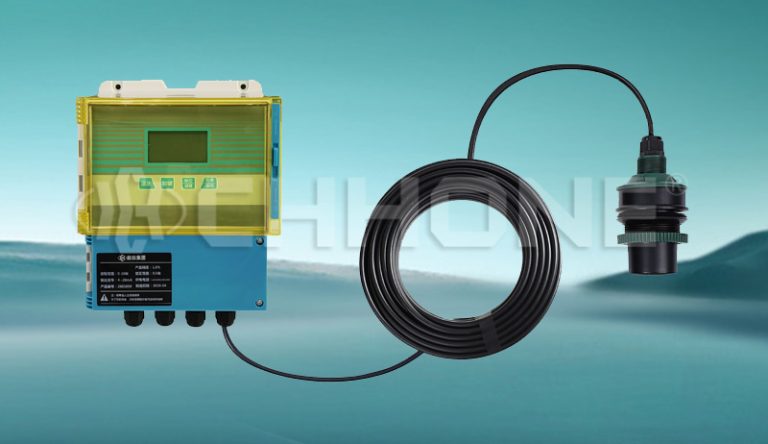
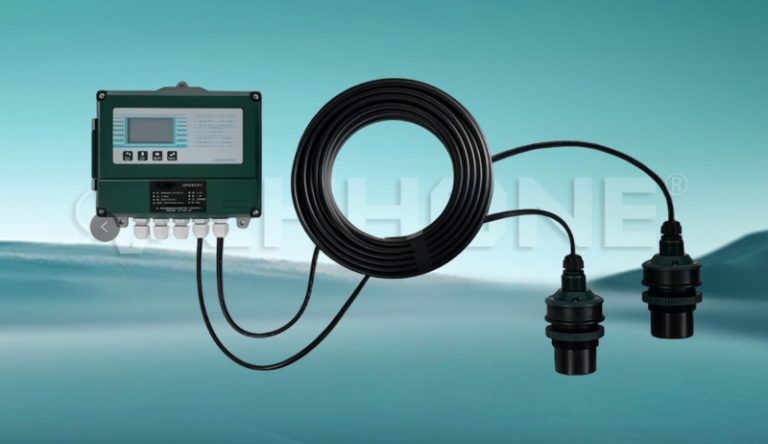
Wireless Thermal Gas Flowmeter Manufacturer for Water Quality
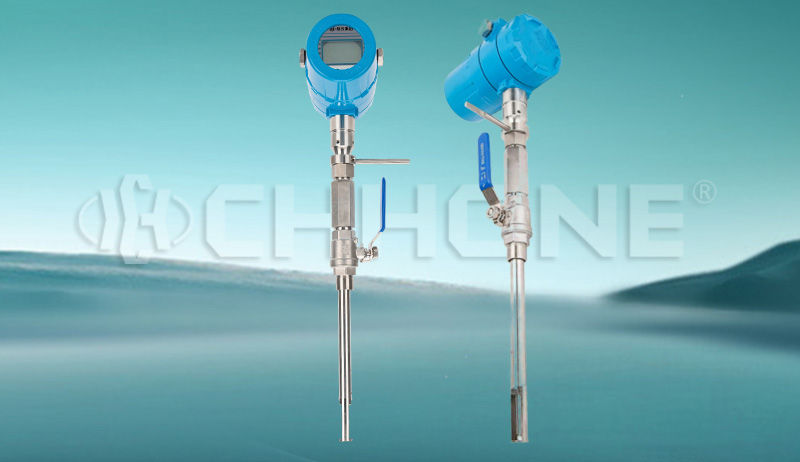
Looking for a wireless thermal gas flowmeter manufacturer? Explore CHHONE’s industrial measurement solutions for wastewater aeration, biogas monitoring, and water treatment applications. Discover thermal gas flow measurement technology and request product specifications for your industrial monitoring requirements.
Modern water treatment facilities depend on accurate process monitoring to maintain operational efficiency, control energy consumption, and support environmental protection. Although water quality analyzers measure parameters such as dissolved oxygen, pH, and turbidity, gas flow measurement also plays an important role in wastewater treatment and industrial water management. Choosing a reliable Wireless Thermal Gas Flowmeter Manufacturer for Water Quality can help businesses identify suitable equipment for monitoring air, oxygen, biogas, and other compatible gases used in treatment processes.
CHHONE provides industrial measurement and water quality monitoring instruments for various industrial applications. For water treatment operators, a suitable wireless thermal gas flowmeter can support remote observation of gas flow, improve process visibility, and help operators make informed operational decisions. Selecting the correct instrument requires evaluating the gas composition, pipeline conditions, communication requirements, measurement range, and installation environment.
What Is a Wireless Thermal Gas Flowmeter?
A wireless thermal gas flowmeter is an instrument designed to measure the flow of gas using thermal sensing technology while supporting wireless data communication. Depending on the model, it may transmit measurement information to a compatible monitoring platform, control system, or remote display.
Thermal gas flowmeters are commonly used to monitor compressed air, process gases, aeration air, and biogas in suitable industrial applications. Their measurement principle relies on heat transfer between a sensing element and the flowing gas. Wireless communication can reduce the need for dedicated signal wiring in certain installations, although the instrument still requires an appropriate power source and a compatible communication network.
For water treatment projects, the instrument measures gas flow rather than directly measuring the chemical or biological quality of water. When combined with dissolved oxygen meters and other water quality analyzers, gas flow data can provide a more complete picture of treatment process conditions.
Working Principle of Thermal Gas Flow Measurement
Thermal gas flowmeters typically use thermal dispersion or a related heat-transfer measurement principle. A sensing element is heated, and the instrument evaluates how the flowing gas removes heat from that element. As gas flow changes, the heat transfer also changes, allowing the electronics to calculate the flow rate.
Many thermal dispersion designs use a heated temperature sensor alongside a reference sensor that measures the gas temperature. The instrument processes the temperature difference or the electrical power required to maintain a defined temperature difference. This information is converted into a flow measurement according to the instrument’s calibration.
Because the measurement depends on the thermal properties of the gas, selecting the correct gas configuration is essential. Changes in gas composition, contamination, installation conditions, and flow profile can affect measurement performance. Buyers should therefore confirm the manufacturer’s specifications before selecting a model for a particular process.
Importance of Wireless Gas Flow Monitoring in Water Treatment
Wastewater Aeration Systems
Aeration is a major process in many biological wastewater treatment plants. Air is supplied to treatment tanks to provide oxygen for microorganisms that break down organic pollutants. Monitoring airflow can help operators understand whether the aeration system is delivering the required gas flow.
A suitable thermal gas flowmeter can provide useful flow data for process supervision. When airflow measurements are evaluated alongside dissolved oxygen readings, operators can make better-informed decisions about aeration settings and potential energy-saving opportunities.
Biogas Collection and Treatment
Wastewater treatment facilities may generate biogas during anaerobic digestion. Monitoring compatible gas streams can help operators track gas production and manage downstream processing equipment. The selected flowmeter must be suitable for the actual gas composition, moisture content, pressure, and potential contaminants.
Industrial Water Treatment
Industrial facilities may use air or other gases in water treatment, oxidation, mixing, and specialized process operations. Reliable gas flow information helps operators compare operating conditions and identify changes that require investigation.
Remote Process Monitoring
Wireless data transmission can be useful when measurement points are distributed across a large treatment facility. Where the selected instrument and communication infrastructure support remote access, operators may review readings without visiting every measurement location. Actual wireless range and reliability depend on the communication technology, site layout, interference, and installation conditions.
Benefits of Choosing a Wireless Thermal Gas Flowmeter Manufacturer
Selecting a professional Wireless Thermal Gas Flowmeter Manufacturer for Water Quality involves evaluating the complete measurement solution rather than focusing only on the initial purchase price.
Remote data access: Compatible wireless systems can transmit gas flow information to approved monitoring devices, helping operators supervise selected process locations.
Support for process optimization: Reliable airflow measurements can help facilities evaluate aeration performance and investigate opportunities to improve energy management.
Convenient installation: Depending on the model, wireless communication may reduce signal cabling requirements and simplify certain retrofit projects.
Continuous measurement: Suitable instruments can provide ongoing flow information for operational monitoring, reporting, and process analysis.
Industrial versatility: Thermal gas flow measurement can support applications involving air, biogas, and other compatible gases when the instrument is correctly specified.
Actual performance depends on the product design, gas properties, installation quality, and operating environment. Buyers should confirm specifications rather than assume every model provides the same capabilities.
How to Select the Right Wireless Thermal Gas Flowmeter
Before purchasing a flowmeter, identify the gas being measured, the expected minimum and maximum flow rates, pipeline diameter, operating pressure, and temperature range. These details help determine the appropriate sensor design and measuring range.
Next, examine the communication requirements. Confirm whether the instrument supports the required wireless protocol, transmission distance, monitoring platform, and data integration method. Check the power supply, signal security, environmental protection rating, and suitability for the installation location.
For wastewater aeration, consider how flow measurements will be used alongside dissolved oxygen data and other process information. For biogas applications, confirm that the instrument is suitable for the gas composition and moisture conditions. Also review calibration requirements, maintenance procedures, technical documentation, warranty coverage, and available support.
A qualified supplier should be able to clarify the product specifications and help customers determine whether the selected equipment matches their process requirements.
Why Consider CHHONE for Industrial Flow Measurement Solutions?
CHHONE offers industrial instrumentation and water quality monitoring products for customers in environmental protection, wastewater treatment, chemical processing, energy, and other sectors. Businesses searching for a Wireless Thermal Gas Flowmeter Manufacturer can visit the company’s website to explore its measurement solutions and discuss their application requirements.
When evaluating a CHHONE instrument, request the relevant technical datasheet and verify the wireless communication method, compatible gases, measurement range, accuracy, operating conditions, and installation requirements. Confirm that the specific model supports the intended application before placing an order.
Combining suitable gas flow measurement equipment with water quality analyzers can help treatment facilities develop a more comprehensive monitoring strategy. This approach supports better process visibility without confusing gas flow measurement with direct water quality analysis.
Conclusion
Wireless thermal gas flowmeters can provide useful measurement data for wastewater aeration, biogas management, and industrial processes involving compatible gases. Their thermal sensing technology supports gas flow monitoring, while wireless communication may improve access to operating information where the selected system supports remote connectivity.
Finding the right Wireless Thermal Gas Flowmeter Manufacturer for Water Quality requires careful evaluation of measurement performance, gas compatibility, communication capabilities, installation conditions, and technical support. CHHONE is a starting point for businesses exploring industrial measurement and water quality monitoring solutions. Visit https://www.chhone.com/ to review the available product range and contact the company about your requirements. Selecting the appropriate instrument can help improve process monitoring, support informed operational decisions, and contribute to more effective water treatment management.
👉 Contact CHHONE today to request technical specifications, product details, or a customized quotation. Follow us at Facebook, DeviantArt, LinkedIn and YouTube