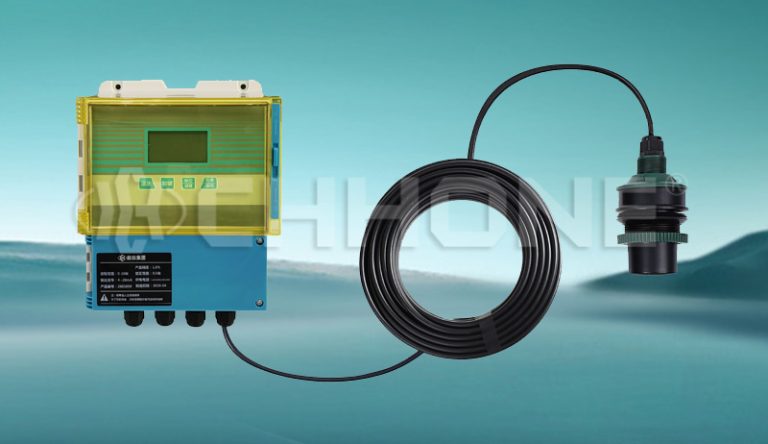
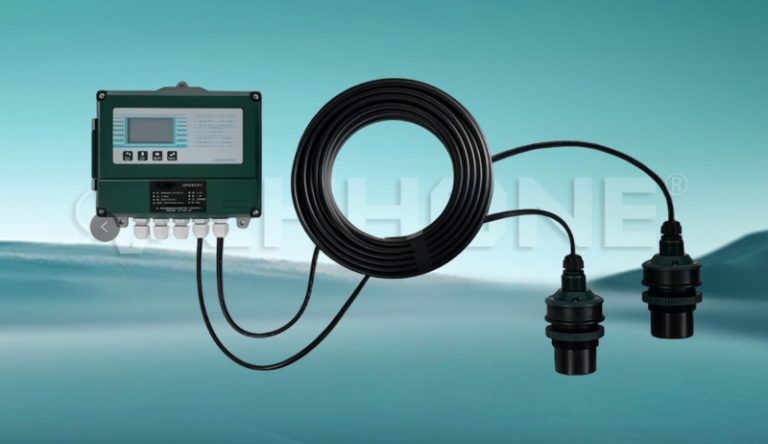
Explosion-Proof Radar Level Transmitters Manufacturer
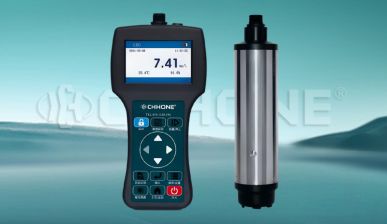
Introduction to Explosion-Proof Radar Level Transmitters
Looking for an explosion-proof radar level transmitters manufacturer? Explore CHHONE’s industrial measurement solutions for chemical plants, petrochemical facilities, oil and gas operations, and industrial processing. Request product specifications and technical guidance for your level measurement requirements.
Industrial facilities that handle flammable liquids, combustible vapors, and hazardous materials require dependable measurement equipment to maintain safe and efficient operations. Accurate tank level monitoring helps operators control material storage, prevent overflow, reduce process interruptions, and improve production management. Choosing a reliable Explosion-Proof Radar Level Transmitters Manufacturer is therefore an important decision for businesses operating in demanding industrial environments.
Explosion-proof radar level transmitters are designed for level measurement applications where potentially explosive atmospheres may be present. These instruments use radar technology to determine the distance between the sensor and the material surface, allowing the system to calculate the liquid or solid level inside a tank or vessel. For industrial buyers seeking reliable measurement solutions, CHHONE offers a range of industrial instrumentation products, including radar level transmitters, through its official website at https://www.chhone.com/.
What Is an Explosion-Proof Radar Level Transmitter?
An explosion-proof radar level transmitter is an industrial instrument designed to measure material levels while meeting specified protection requirements for hazardous locations. Depending on its design, the device may use a protected enclosure, certified electrical components, and other safety measures intended to reduce the risk of ignition in a designated hazardous environment.
Unlike traditional contact-based measuring equipment, many radar level transmitters measure the material surface without touching the substance. This feature can be useful when handling corrosive liquids, volatile chemicals, or materials that may contaminate conventional sensing components.
When selecting an explosion-proof instrument, buyers should verify its hazardous-area certification, gas or dust classification, temperature rating, and installation requirements. The term “explosion-proof” should never be treated as a universal safety guarantee because suitability depends on the specific equipment approval and the conditions at the installation site.
How Radar Level Measurement Technology Works
Radar level measurement operates by transmitting electromagnetic waves toward the surface of a liquid or solid material. The waves reflect from the surface and return to the instrument, where the electronics analyze the received signal to determine the distance.
The transmitter then calculates the material level using the configured reference distance and displays or communicates the resulting measurement. Depending on the model, the instrument may support continuous monitoring and integration with industrial control systems.
Radar technology can offer advantages in applications where temperature, pressure, vapor, or changing process conditions make other measurement methods difficult to use. However, actual performance depends on the radar frequency, antenna design, tank geometry, material characteristics, and installation quality.
Key Benefits of Explosion-Proof Radar Level Transmitters
Improved Measurement Reliability
Radar instruments can provide continuous level measurements without requiring direct contact with the measured material. This design can help reduce certain maintenance concerns associated with mechanical or immersed sensing devices.
Enhanced Hazardous-Area Suitability
A properly selected and certified explosion-proof radar transmitter can support level monitoring in designated hazardous locations. Correct installation and compliance with the equipment’s certification conditions remain essential for safe operation.
Reduced Routine Maintenance
Non-contact radar measurement avoids many issues associated with moving mechanical components and direct material contact. This can be beneficial when monitoring aggressive liquids or difficult industrial processes, although periodic inspection and maintenance are still necessary.
Support for Industrial Automation
Depending on the model, radar level transmitters may provide standard industrial output signals for connection to monitoring equipment, programmable logic controllers, or distributed control systems. This integration helps operators monitor storage conditions and respond to changing process requirements.
Industrial Applications of Explosion-Proof Radar Level Transmitters
Chemical and Petrochemical Industries
Chemical plants often store liquids that require careful monitoring because of their flammability, corrosiveness, or process sensitivity. Suitable radar level transmitters can help operators monitor tanks and vessels while supporting established safety procedures.
Oil and Gas Facilities
Storage tanks, processing vessels, and transfer systems require dependable level information for inventory management and operational control. Correctly specified hazardous-area radar instruments can be valuable components of these measurement systems.
Pharmaceutical and Manufacturing Plants
Some manufacturing processes require accurate monitoring of liquid ingredients, solvents, or intermediate products. Selecting an appropriate instrument helps businesses maintain consistent material handling and improve process visibility.
Energy and Industrial Processing
Power generation and other industrial facilities use level measurement equipment to monitor tanks, process vessels, and auxiliary systems. Radar technology can support automated monitoring when the instrument is correctly matched to the operating environment.
Wastewater and Environmental Facilities
Industrial wastewater systems may contain corrosive substances, foam, or changing surface conditions. Radar level measurement can help monitor collection tanks and treatment vessels, provided the selected equipment is suitable for the specific application.
How to Choose the Right Manufacturer
Selecting an Explosion-Proof Radar Level Transmitters Manufacturer requires more than comparing prices. Buyers should evaluate product specifications, safety documentation, measurement performance, and technical support before making a purchasing decision.
First, identify the material being measured and the tank’s dimensions. Consider the required measuring range, process temperature, operating pressure, vapor conditions, and potential interference from internal tank structures.
Second, verify the required explosion-protection certification for the installation location. Confirm the applicable hazardous-area classification, protection method, equipment temperature class, and permitted environmental conditions. Do not install equipment in a hazardous location unless its certification and installation requirements have been verified.
Third, review the antenna configuration, signal output, electrical connections, enclosure protection rating, and compatibility with the existing control system. Buyers should also ask about calibration procedures, installation guidance, spare parts, warranty terms, and technical assistance.
Why Consider CHHONE for Radar Level Measurement Solutions?
CHHONE provides industrial measurement and process instrumentation products for customers across multiple industries. Its product portfolio includes radar level transmitters alongside other level, pressure, temperature, flow, and water quality measurement instruments.
Businesses searching for an Explosion-Proof Radar Level Transmitters Manufacturer can explore CHHONE’s website to identify relevant radar measurement products and discuss their project requirements with the company. Before ordering, customers should request the technical datasheet and confirm the specific model’s explosion-proof certification, measuring range, process limits, communication options, and installation compatibility.
Working with a supplier that understands industrial measurement requirements can help purchasing teams identify equipment that meets their operational needs and applicable safety standards.
Conclusion
Explosion-proof radar level transmitters are valuable instruments for continuous level monitoring in industrial environments where hazardous atmospheres may be present. Their radar-based measurement principle can support reliable monitoring, process automation, and reduced dependence on contact-based sensing methods.
Choosing the right Explosion-Proof Radar Level Transmitters Manufacturer requires careful evaluation of measurement performance, hazardous-area certification, operating conditions, installation requirements, and after-sales support. CHHONE is a useful starting point for businesses exploring industrial level measurement equipment. Visit https://www.chhone.com/ to review the available product range and contact the company to discuss your application requirements. Selecting the correct instrument can help improve process visibility, support safe operations, and strengthen long-term measurement reliability.
👉 Contact CHHONE today to request technical specifications, product details, or a customized quotation. Follow us at Facebook, Instagram, LinkedIn and YouTube