Temperature Transmitter: Complete Guide to Industrial Temperature Measurement and Smart Monitoring
H1: Temperature Transmitter – Working Principle, Selection Guide, and Industrial Solutions by CHHONE
Temperature is one of the most important parameters in industrial production and process control. Accurate temperature monitoring ensures safe operation, improves production efficiency, and maintains product quality across many industries. From chemical processing and oil refining to food production, pharmaceuticals, and power generation, temperature measurement plays a vital role in maintaining stable operating conditions.
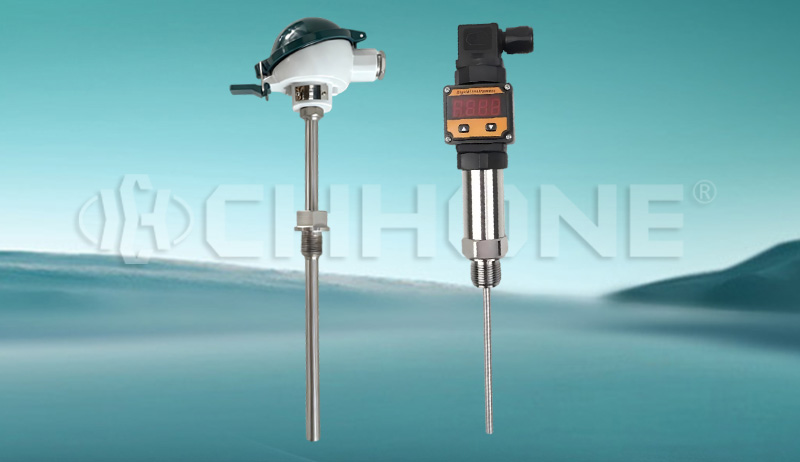
ATemperature Transmitteris a key instrument used in modern industrial automation systems to measure temperature and convert the signal into a standardized electrical output that can be transmitted to monitoring and control systems. Unlike traditional thermometers or simple temperature sensors, temperature transmitters provide more accurate readings, stronger signal transmission capabilities, and better integration with automated control platforms.
By converting signals from temperature sensors such asRTDs (Resistance Temperature Detectors)orthermocouplesinto standard signals like4–20 mA, temperature transmitters allow operators to monitor temperature remotely and implement automatic process control.
As a professional industrial instrumentation manufacturer,CHHONEprovides a wide range of advanced temperature measurement solutions, includingIndustrial Temperature Transmitters,Wireless Temperature Transmitters, andExplosion Proof Temperature Transmitters. With strong engineering capabilities, modern manufacturing facilities, and strict quality control processes, CHHONE delivers reliable temperature monitoring instruments to customers around the world.
This article provides a comprehensive overview of temperature transmitters, including their working principles, product types, advantages, selection guidelines, installation methods, and industrial applications.
What Is a Temperature Transmitter?
ATemperature Transmitteris an electronic device used to measure temperature and convert the signal from a temperature sensor into a standardized electrical signal suitable for industrial control systems.
Temperature transmitters typically work together with temperature sensing elements such as:
- Resistance Temperature Detectors (RTDs)
- Thermocouples
- Thermistors
The transmitter receives the signal generated by the temperature sensor, processes the signal through internal electronic circuits, and converts it into a standardized output signal that can be transmitted to control systems.
Common output signals include:
- 4–20 mA analog signal
- HART communication protocol
- RS485 digital communication
- Modbus communication
These signals can be transmitted over long distances without signal degradation, allowing centralized monitoring and control.
Temperature transmitters are widely used for monitoring temperature in:
- Industrial pipelines
- Storage tanks
- Heat exchangers
- Boilers and furnaces
- Chemical reactors
Compared with traditional temperature measurement devices, temperature transmitters provide higher accuracy, improved signal stability, and better integration with modern automation systems.
Working Principle of a Temperature Transmitter
The working principle of a temperature transmitter involves converting a temperature signal into a standardized electrical signal.
The process generally includes the following steps:
- A temperature sensor detects the temperature of the measured medium.
- The sensor generates an electrical signal proportional to the temperature.
- The temperature transmitter receives the sensor signal.
- Internal electronic circuits amplify and process the signal.
- The transmitter converts the signal into a standardized output such as4–20 mA.
- The signal is transmitted to monitoring systems such as PLC, DCS, or SCADA.
Modern temperature transmitters also include advanced features such as:
- Digital signal processing
- Temperature compensation algorithms
- Sensor linearization
- Fault detection and diagnostic functions
These features ensure stable and accurate temperature measurement even in complex industrial environments.
Types of Temperature Transmitters
Different industrial environments require different types of temperature transmitters. Some of the most common types include the following.
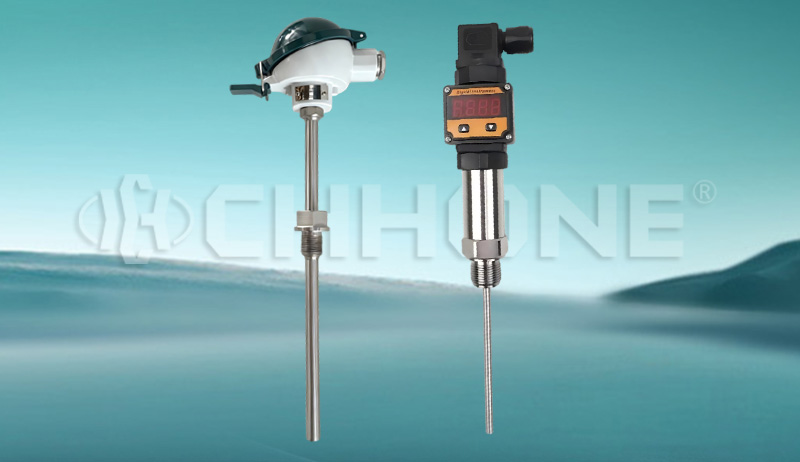
Industrial Temperature Transmitter
AnIndustrial Temperature Transmitteris designed for general temperature measurement applications in industrial processes.
These transmitters are widely used in manufacturing plants, chemical facilities, energy systems, and water treatment plants.
Industrial temperature transmitters are designed to withstand demanding environments such as:
- High temperature conditions
- Mechanical vibration
- Electrical interference
- Moisture and dust exposure
Typical applications include:
- Monitoring pipeline temperature
- Controlling heating systems
- Measuring tank temperature
- Industrial process temperature control
CHHONE industrial temperature transmitters are built with high-quality electronic components and robust housing structures to ensure long-term stability.
Wireless Temperature Transmitter
With the development of industrial digitalization and the Industrial Internet of Things (IIoT),Wireless Temperature Transmittershave become increasingly popular for remote monitoring applications.
Wireless transmitters eliminate the need for complex wiring infrastructure and allow real-time data transmission through wireless communication technologies such as:
- LoRa communication
- NB-IoT networks
- 4G cellular networks
- Industrial wireless communication protocols
Wireless temperature transmitters are ideal for:
- Remote industrial facilities
- Large manufacturing plants
- Oil and gas pipelines
- Environmental monitoring systems
CHHONE wireless temperature transmitters provide reliable data transmission, low power consumption, and strong anti-interference capability.
Explosion Proof Temperature Transmitter
In hazardous environments such as chemical plants, oil refineries, and gas processing facilities, explosive gases or vapors may be present.
AnExplosion Proof Temperature Transmitteris specifically designed to operate safely in such environments.
These transmitters incorporate safety features such as:
- Explosion-proof housing
- Intrinsically safe circuits
- Sealed electrical components
- Compliance with hazardous area safety standards
Explosion proof temperature transmitters are widely used in industries including:
- Oil and gas production
- Petrochemical plants
- Natural gas pipelines
- Chemical processing facilities
CHHONE explosion proof temperature transmitters meet strict industrial safety requirements while providing accurate and reliable temperature monitoring.
Advantages of Temperature Transmitters
Temperature transmitters provide many advantages compared with traditional temperature measurement devices.
High Measurement Accuracy
Advanced sensors and digital signal processing technology ensure precise temperature measurement in industrial environments.
Long-Distance Signal Transmission
Standardized electrical output signals allow temperature data to be transmitted over long distances without signal loss.
Strong Anti-Interference Capability
Industrial temperature transmitters are designed to resist electrical noise, electromagnetic interference, and environmental disturbances.
Integration with Automation Systems
Temperature transmitters can be easily integrated with industrial automation systems such as PLC, DCS, and SCADA platforms.
How to Choose a Temperature Transmitter
Selecting the correct temperature transmitter requires careful evaluation of several technical factors.
Sensor Type Compatibility
Temperature transmitters must be compatible with the type of temperature sensor used in the system.
Common sensor types include:
- RTD sensors
- Thermocouple sensors
Different sensors are suitable for different temperature ranges and industrial conditions.
Temperature Range
The transmitter should be selected based on the expected temperature range of the application. Choosing an appropriate range ensures accurate measurement and long-term reliability.
Installation Environment
Environmental conditions such as temperature, humidity, vibration, and hazardous area classification should be considered.
For explosive environments, anExplosion Proof Temperature Transmitteris required.
Communication Interface
Modern temperature transmitters support various communication interfaces for industrial automation systems.
Common options include:
- 4–20 mA output
- HART communication
- RS485 interface
- Modbus protocol
These communication options allow seamless integration with monitoring and control systems.
How to Install and Use a Temperature Transmitter
Proper installation and operation are essential for ensuring accurate temperature measurement.
Installation Guidelines
When installing a temperature transmitter, the following guidelines should be followed:
- Install the sensor at the correct measurement location.
- Ensure proper thermal contact between the sensor and the measured medium.
- Avoid locations with excessive vibration or electromagnetic interference.
- Ensure proper wiring and electrical grounding.
Following these installation guidelines helps improve measurement accuracy and system reliability.
Calibration and Configuration
Most modern temperature transmitters support digital configuration.
Typical configuration steps include:
- Setting the sensor type (RTD or thermocouple)
- Configuring temperature range
- Adjusting output signal scaling
- Setting communication parameters
Once configured, the transmitter can provide continuous real-time temperature monitoring.
Maintenance Recommendations
Temperature transmitters generally require minimal maintenance. However, periodic inspection is recommended to ensure reliable operation.
Maintenance activities may include:
- Checking electrical connections
- Inspecting sensor condition
- Verifying calibration accuracy
- Cleaning sensor surfaces
Regular maintenance ensures stable long-term performance.
Industrial Applications of Temperature Transmitters
Temperature transmitters are widely used across many industries.
Oil and Gas Industry
Temperature transmitters monitor pipeline temperature, refinery processes, and storage tank conditions.
Chemical Industry
Chemical plants use temperature transmitters to control reaction temperatures and ensure safe production processes.
Power Generation
Power plants rely on temperature transmitters to monitor boilers, turbines, and cooling systems.
Food and Pharmaceutical Industry
Precise temperature control is essential for maintaining product quality and meeting regulatory standards.
Why Choose CHHONE Temperature Transmitters
When selecting aTemperature Transmitter manufacturer, reliability, product quality, and engineering expertise are key considerations.
CHHONE is a professional manufacturer specializing in industrial measurement instruments and automation solutions. The company offers a wide range of temperature measurement products designed for demanding industrial environments.
CHHONE temperature transmitters provide several key advantages:
- High precision measurement technology
- Advanced digital signal processing
- Durable industrial-grade construction
- Explosion-proof safety design options
- Wireless monitoring capabilities
- Multiple communication interfaces
- Custom solutions for specific industrial applications
With advanced production facilities and a strong research and development team, CHHONE continuously develops innovative industrial measurement technologies to meet the needs of modern industrial automation.
CHHONE temperature transmitters are widely used in industries such as oil and gas, chemical processing, energy production, water treatment, and manufacturing automation.
More detailed product information can be found at:
Conclusion
TheTemperature Transmitteris a fundamental component in modern industrial automation systems. By converting temperature signals into standardized electrical outputs, temperature transmitters enable accurate monitoring, efficient process control, and improved operational safety.
FromIndustrial Temperature TransmitterstoWireless Temperature TransmittersandExplosion Proof Temperature Transmitters, these devices provide versatile solutions for a wide range of industrial applications.
With advanced engineering capabilities and strict manufacturing standards,CHHONEdelivers high-quality temperature transmitters that meet the demanding requirements of modern industrial environments. For companies seeking reliable temperature measurement solutions, CHHONE offers professional products, technical expertise, and comprehensive industrial instrumentation support.