DO Meter: Complete Guide to Dissolved Oxygen Measurement and Industrial Applications
H1: DO Meter – Working Principle, Selection Guide, and Professional Solutions by CHHONE
Dissolved oxygen measurement is a critical parameter in water quality monitoring, environmental protection, aquaculture, and industrial process control. The level of oxygen dissolved in water directly affects biological activity, chemical reactions, and overall water quality. Maintaining appropriate dissolved oxygen levels is essential for ensuring healthy aquatic ecosystems, optimizing wastewater treatment processes, and maintaining stable industrial operations.
ADO Meter, also known as aDissolved Oxygen Meter, is a specialized instrument used to measure the concentration of oxygen dissolved in water or other liquids. By providing accurate and real-time measurements, DO meters help engineers, technicians, and environmental scientists monitor oxygen levels and make informed decisions for water management and industrial process optimization.
Compared with traditional chemical analysis methods, modern DO meters offer faster response times, higher measurement accuracy, and continuous monitoring capabilities. Advanced sensors and digital signal processing technologies allow these instruments to operate reliably in both laboratory and field environments.
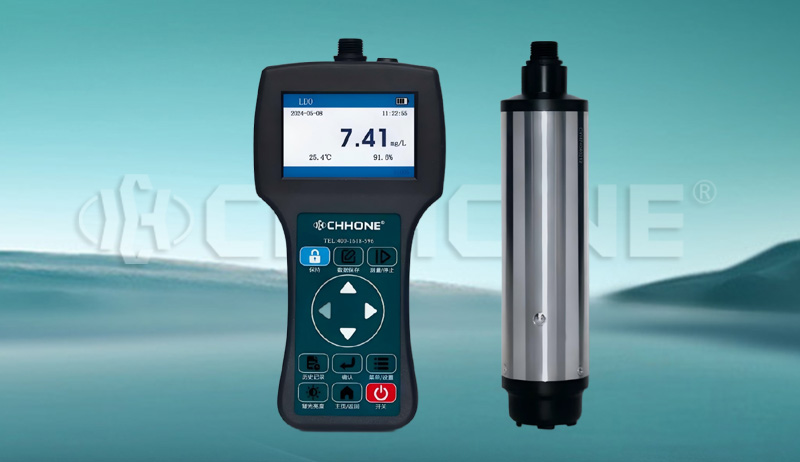
As a professional manufacturer of industrial measurement instruments,CHHONEprovides high-quality dissolved oxygen measurement solutions for a wide range of industries. CHHONE products includeDissolved Oxygen Meters,Portable Dissolved Oxygen Meters, andWater Dissolved Oxygen Metersdesigned for laboratory analysis, environmental monitoring, and industrial process control.
This article provides a comprehensive overview of DO meters, including their working principles, product types, selection guidelines, installation methods, and industrial applications.
What Is a DO Meter?
ADO Meteris an electronic instrument used to measure the concentration of dissolved oxygen in water or liquid solutions. Dissolved oxygen refers to the amount of oxygen gas that is dissolved in water and available for biological and chemical processes.
Dissolved oxygen levels are typically expressed in two units:
- Milligrams per liter (mg/L)
- Percentage of oxygen saturation (%)
A DO meter measures dissolved oxygen using a specialized oxygen sensor or probe that detects the presence of oxygen molecules in the liquid.
A typical dissolved oxygen measurement system consists of several components:
- Dissolved oxygen sensor or probe
- Temperature sensor
- Signal processing unit
- Digital display or transmitter module
The sensor detects oxygen concentration and converts the signal into an electrical output. The internal electronics process the signal and display the dissolved oxygen value on the instrument screen or transmit the data to monitoring systems.
DO meters are widely used in applications such as:
- Water treatment plants
- Aquaculture systems
- Environmental monitoring
- Industrial wastewater treatment
- Laboratory research
Working Principle of a Dissolved Oxygen Meter
The working principle of aDissolved Oxygen Meterdepends on the type of sensor technology used. The two most common measurement methods areelectrochemical sensorsandoptical sensors.
Electrochemical Method
In the electrochemical method, the dissolved oxygen probe contains electrodes separated by an electrolyte solution and covered by a permeable membrane.
The measurement process typically follows these steps:
- Oxygen molecules diffuse through the membrane.
- Oxygen reacts chemically with the electrode surface.
- The reaction generates an electrical current proportional to the oxygen concentration.
- The instrument converts the current signal into a dissolved oxygen value.
Electrochemical sensors are widely used due to their reliability and cost-effectiveness.
Optical Method
Optical dissolved oxygen sensors use fluorescence technology to measure oxygen concentration. When oxygen molecules interact with a luminescent material, the fluorescence intensity changes. The instrument measures this change to determine oxygen concentration.
Optical sensors offer several advantages:
- Faster response time
- Lower maintenance requirements
- Longer sensor lifespan
Modern DO meters may also includeautomatic temperature compensationto ensure accurate readings under varying environmental conditions.
Types of DO Meters
Different industries require different types of dissolved oxygen measurement instruments. Some of the most common types include the following.
Dissolved Oxygen Meter
ADissolved Oxygen Meteris the standard instrument used for measuring oxygen levels in water. These meters are commonly used in laboratories, water treatment facilities, and environmental monitoring systems.
They provide accurate and reliable oxygen measurements for applications such as:
- Wastewater treatment monitoring
- Environmental water quality analysis
- Laboratory experiments
- Industrial process control
CHHONE dissolved oxygen meters are designed with high-sensitivity sensors and advanced electronic circuits to ensure stable and accurate measurements.
Portable Dissolved Oxygen Meter
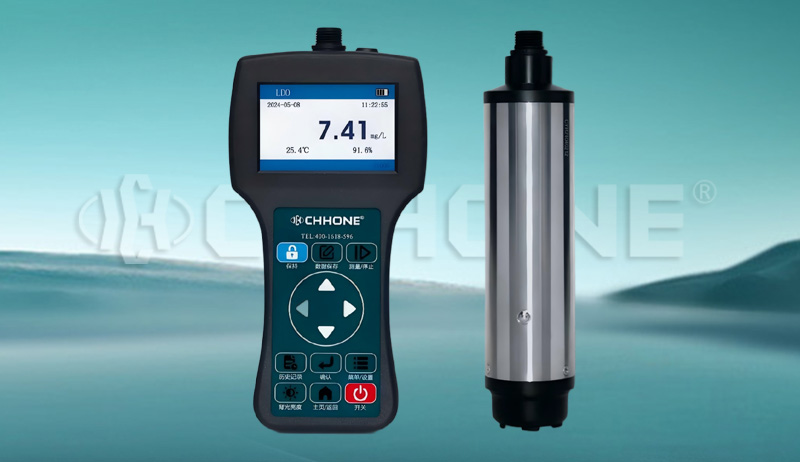
APortable Dissolved Oxygen Meteris a handheld device designed for on-site measurement and field testing.
Portable meters are widely used by environmental technicians, water quality inspectors, and aquaculture operators who require quick and reliable measurements outside laboratory environments.
Key features of portable DO meters include:
- Lightweight and compact design
- Battery-powered operation
- Easy-to-use interface
- Fast measurement response
Portable dissolved oxygen meters are commonly used in:
- Field water testing
- Aquaculture pond monitoring
- Environmental surveys
- Water resource management
CHHONE portable DO meters are designed with durable housings and advanced sensors, making them suitable for demanding field applications.
Water Dissolved Oxygen Meter
AWater Dissolved Oxygen Meteris specifically designed for monitoring oxygen levels in water systems.
Maintaining proper dissolved oxygen levels is essential in water treatment and aquatic environments. Low oxygen levels can harm aquatic organisms and reduce the effectiveness of biological treatment processes.
Water dissolved oxygen meters are commonly used in:
- Drinking water treatment plants
- Wastewater treatment facilities
- Aquaculture systems
- River and lake monitoring
- Environmental research stations
CHHONE water dissolved oxygen meters provide high stability and long-term reliability for continuous water quality monitoring.
Advantages of DO Meters
Modern DO meters provide many advantages compared with traditional dissolved oxygen testing methods.
High Measurement Accuracy
Advanced sensor technology ensures precise oxygen measurement in various water environments.
Real-Time Monitoring
DO meters allow continuous monitoring of dissolved oxygen levels, enabling operators to quickly detect changes in water quality.
Fast Response Time
Modern sensors provide rapid measurement results, improving operational efficiency.
Integration with Automation Systems
Industrial DO meters can transmit measurement data to control systems through communication interfaces such as4–20 mA output or digital protocols.
How to Choose a DO Meter
Selecting the appropriate DO meter requires consideration of several technical factors.
Measurement Environment
Different environments require different types of DO meters.
For example:
- Laboratory applications require high-precision bench-top instruments.
- Field measurements require portable meters.
- Industrial processes require robust online monitoring systems.
Measurement Range
The expected dissolved oxygen concentration range should be considered when selecting a meter.
Typical measurement ranges include0–20 mg/L, which covers most natural and industrial water systems.
Sensor Type
Different sensor technologies provide different advantages.
- Electrochemical sensors are widely used and cost-effective.
- Optical sensors provide higher stability and lower maintenance requirements.
Temperature Compensation
Since temperature affects oxygen solubility in water, it is important to select a DO meter withautomatic temperature compensation.
Communication Interface
Industrial DO meters often include communication interfaces such as:
- 4–20 mA analog output
- RS485 communication
- Modbus protocol
These interfaces allow integration with industrial monitoring systems.
How to Use a DO Meter
Proper operation and maintenance are essential for ensuring accurate dissolved oxygen measurement.
Calibration
Before measurement, the DO meter should be calibrated using standard calibration procedures.
Typical calibration steps include:
- Power on the instrument.
- Expose the probe to air or calibration solution.
- Adjust the calibration settings according to the instrument instructions.
Regular calibration ensures accurate measurement results.
Measurement Procedure
To measure dissolved oxygen:
- Immerse the DO probe into the water sample.
- Ensure proper circulation around the sensor.
- Wait for the reading to stabilize.
- Record the dissolved oxygen value displayed on the instrument.
Maintenance
Routine maintenance helps extend the lifespan of the sensor.
Maintenance practices include:
- Cleaning the probe after each use
- Replacing membranes if necessary
- Storing the sensor properly
- Periodically checking calibration accuracy
Industrial Applications of DO Meters
Dissolved oxygen measurement is essential in many industries.
Water and Wastewater Treatment
DO meters are used to monitor oxygen levels in biological treatment systems to optimize microbial activity.
Aquaculture
Fish and aquatic organisms require sufficient dissolved oxygen for survival and growth.
DO meters help maintain optimal oxygen levels in aquaculture ponds and tanks.
Environmental Monitoring
Environmental agencies use DO meters to evaluate the health of rivers, lakes, and coastal waters.
Industrial Process Control
Some industrial processes require controlled oxygen levels to maintain stable chemical reactions.
Why Choose CHHONE DO Meters
When selecting aDO Meter manufacturer, reliability, sensor technology, and manufacturing capability are key considerations.
CHHONE is a professional manufacturer specializing in industrial measurement instruments and environmental monitoring equipment. The company provides high-quality dissolved oxygen measurement solutions for global customers.
CHHONE DO meters offer several advantages:
- High precision dissolved oxygen sensors
- Advanced digital signal processing technology
- Durable industrial-grade construction
- Stable long-term performance
- Multiple communication interfaces
- Custom measurement solutions for specific applications
With advanced manufacturing facilities and strong research and development capabilities, CHHONE continuously develops innovative water quality monitoring instruments.
CHHONE dissolved oxygen meters are widely used in water treatment plants, aquaculture systems, environmental monitoring stations, and industrial facilities.
More detailed product information can be found at:
Conclusion
TheDO Meteris an essential instrument for measuring dissolved oxygen in water and liquid environments. By providing accurate and real-time oxygen monitoring, DO meters help maintain water quality, protect aquatic ecosystems, and optimize industrial processes.
FromDissolved Oxygen MeterstoPortable Dissolved Oxygen MetersandWater Dissolved Oxygen Meters, these instruments offer versatile solutions for laboratory analysis, environmental monitoring, and industrial applications.
With strong engineering expertise and strict manufacturing standards,CHHONEdelivers high-quality dissolved oxygen measurement solutions for modern industries. For organizations seeking reliable water quality monitoring instruments, CHHONE provides professional products, advanced technology, and comprehensive technical support.