Water Analysis Instrumentation: A Comprehensive Guide to Modern Water Quality Monitoring Solutions
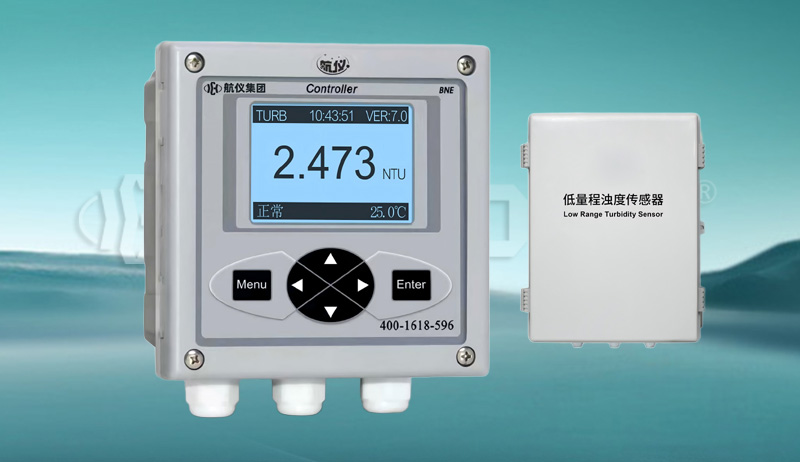
Water quality monitoring has become increasingly important in modern society due to growing environmental concerns, stricter regulations, and the need for safe drinking water. Accurate monitoring requires reliableWater Analysis Instrumentation, which provides precise measurements of chemical, physical, and biological parameters in water. These instruments are widely used in environmental monitoring, wastewater treatment plants, laboratories, and industrial production processes.
From detecting heavy metals to measuring toxic organic compounds, advanced analytical equipment enables organizations to identify contamination sources and maintain compliance with environmental standards. Companies such asCHHONEspecialize in designing and manufacturing professional water analysis instruments that deliver high accuracy, stable performance, and long-term reliability for global users.
This article explores water analysis instrumentation from multiple perspectives, including what it is, how it works, how to choose the right equipment, and how to use these instruments effectively in real-world applications.
What is Water Analysis Instrumentation?
Water Analysis Instrumentationrefers to a range of analytical devices used to measure various parameters in water samples. These instruments help determine water quality by detecting chemical substances, heavy metals, nutrients, and organic pollutants.
Water analysis instruments can be used for both laboratory testing and continuous online monitoring. They play a critical role in ensuring safe drinking water, controlling industrial discharge, and protecting natural water ecosystems.
Typical parameters measured by water analysis instruments include:
- Heavy metals such as lead, cadmium, copper, zinc, and thallium
- Toxic compounds such as cyanide and phenol
- Dissolved oxygen and turbidity
- pH and conductivity
- Nutrients such as ammonia and nitrate
- Chemical oxygen demand (COD)
Modern analytical systems combine advanced sensors, automated sampling technology, and digital signal processing to deliver highly reliable data.
Among the many specialized devices used in water monitoring, several instruments are particularly important for detecting toxic contaminants, including theMulti-Parameter (Lead, Cadmium, Copper, Zinc, Thallium) Heavy Metal Analyzer, theVolatile Phenol Water Quality Analyzer, and theTotal Cyanide Water Quality Analyzer.
These instruments are essential for industries that must monitor hazardous substances in wastewater and environmental water bodies.
Key Types of Water Analysis Instrumentation
Modern water quality monitoring relies on several specialized analytical devices. Each instrument focuses on detecting specific contaminants or water quality parameters.
Multi-Parameter Heavy Metal Analyzer
TheMulti-Parameter (Lead, Cadmium, Copper, Zinc, Thallium) Heavy Metal Analyzeris designed to detect multiple toxic metals simultaneously in water samples.
Heavy metals are among the most dangerous water contaminants because they can accumulate in living organisms and cause long-term environmental damage. Industrial activities such as mining, electroplating, and battery manufacturing often release heavy metals into wastewater.
A multi-parameter heavy metal analyzer typically uses advanced electrochemical or spectrophotometric detection technology to measure metal concentrations with high sensitivity.
Key advantages include:
- Simultaneous detection of multiple heavy metal elements
- High detection sensitivity and accuracy
- Automated sample analysis
- Suitable for both laboratory and online monitoring systems
These instruments are widely used in environmental monitoring stations, industrial wastewater treatment facilities, and research laboratories.
Volatile Phenol Water Quality Analyzer
Phenolic compounds are toxic organic pollutants commonly found in industrial wastewater from petrochemical plants, pharmaceutical factories, and resin manufacturing facilities.
AVolatile Phenol Water Quality Analyzeris designed to detect and quantify phenolic substances in water samples. These analyzers often use chemical reaction-based spectrophotometric methods to determine phenol concentration accurately.
Key features of volatile phenol analyzers include:
- High sensitivity detection
- Automatic sampling and reagent dosing
- Continuous online monitoring capability
- Stable operation in industrial environments
Monitoring volatile phenol levels is essential because excessive phenol concentrations can cause serious environmental pollution and affect aquatic ecosystems.
Total Cyanide Water Quality Analyzer
Cyanide is a highly toxic chemical commonly used in mining, electroplating, and chemical manufacturing processes. If released into water systems without proper treatment, cyanide can pose serious risks to human health and aquatic life.
TheTotal Cyanide Water Quality Analyzeris designed to measure cyanide concentration in water accurately and continuously.
Typical functions of these analyzers include:
- High-precision chemical analysis
- Automatic sample pretreatment
- Continuous monitoring and alarm systems
- Integration with industrial control systems
These analyzers are widely used in mining operations, industrial wastewater treatment plants, and environmental monitoring stations.
How Water Analysis Instrumentation Works
Water analysis instruments rely on various scientific measurement principles depending on the parameter being analyzed. Some of the most commonly used analytical techniques include:
Spectrophotometry
Spectrophotometric methods measure the absorption of light by chemical substances in water samples. The concentration of the substance is determined based on the intensity of light absorbed at specific wavelengths.
This method is widely used in phenol, ammonia, and nutrient analysis.
Electrochemical Detection
Electrochemical sensors measure the electrical signals generated by chemical reactions between electrodes and analytes in the sample.
This technique is commonly used for detecting heavy metals, dissolved oxygen, and pH.
Colorimetric Analysis
Colorimetric methods involve adding reagents to water samples that react with target substances to produce a colored compound. The intensity of the color indicates the concentration of the substance.
Many automated water analyzers use this principle for detecting cyanide, ammonia, and other pollutants.
Automatic Sampling and Data Processing
Modern water analysis instrumentation integrates automated sampling systems and digital processing units that:
- Collect water samples at regular intervals
- Conduct automatic chemical analysis
- Display real-time measurement data
- Store historical records
- Transmit data to monitoring centers
These features significantly improve monitoring efficiency and reduce manual labor.
How to Choose the Right Water Analysis Instrumentation
Selecting the appropriate water analysis equipment requires careful evaluation of several important factors.
Measurement Parameters
First, identify which contaminants need to be monitored. For example:
- Heavy metal contamination requires a multi-parameter heavy metal analyzer.
- Phenol pollution requires a volatile phenol analyzer.
- Cyanide contamination requires a total cyanide analyzer.
Different industries require different monitoring solutions depending on their production processes.
Detection Accuracy and Sensitivity
High-precision monitoring is essential for meeting environmental standards and regulatory requirements. Instruments with advanced detection technologies typically provide higher accuracy and lower detection limits.
When selecting instruments, users should consider:
- Detection range
- Measurement accuracy
- Stability and repeatability
Automation and Ease of Operation
Modern water analysis instruments often feature automated operation, including:
- Automatic sampling
- Automatic reagent dosing
- Self-cleaning functions
- Remote monitoring capability
These features improve efficiency and reduce operational costs.
Durability and Industrial Adaptability
Industrial environments can be challenging due to humidity, chemical exposure, and temperature fluctuations. High-quality instruments should be designed with durable materials and reliable components.
Reliable manufacturers focus on providing instruments with strong structural design, corrosion resistance, and stable long-term performance.
How to Use Water Analysis Instrumentation
Although different instruments have different operating procedures, the general process for using water analysis equipment includes several key steps.
Sample Collection
Water samples should be collected carefully to avoid contamination. Proper sample containers and handling procedures are important for maintaining measurement accuracy.
Calibration
Most analytical instruments require regular calibration using standard solutions. Calibration ensures that measurement results remain accurate over time.
Measurement and Data Recording
After calibration, the instrument analyzes the water sample and generates measurement results. Modern instruments display data digitally and often allow data storage or transmission to monitoring systems.
Maintenance and Cleaning
Routine maintenance is necessary to ensure reliable performance. This includes cleaning sensors, replacing reagents, and checking system components.
Regular maintenance extends the lifespan of the instrument and ensures consistent measurement accuracy.
Applications of Water Analysis Instrumentation
Water analysis instrumentation is widely used across many industries and environmental monitoring sectors.
Environmental Monitoring
Government agencies use water analysis instruments to monitor rivers, lakes, and groundwater for pollution.
Industrial Wastewater Treatment
Manufacturing industries must monitor wastewater discharge to comply with environmental regulations.
Municipal Water Treatment
Water treatment plants use analytical instruments to ensure safe drinking water for communities.
Mining and Metallurgy
Mining operations require continuous monitoring of heavy metals and cyanide in wastewater.
Research and Laboratories
Scientific laboratories use advanced analytical instruments to conduct detailed water quality studies.
CHHONE: A Professional Water Analysis Instrumentation Manufacturer
As a professional manufacturer of water quality monitoring equipment,CHHONEfocuses on developing high-performanceWater Analysis Instrumentationfor environmental monitoring and industrial applications.
The company provides a wide range of advanced analytical instruments, including:
- Multi-Parameter Heavy Metal Analyzers
- Volatile Phenol Water Quality Analyzers
- Total Cyanide Water Quality Analyzers
- Various online water quality monitoring systems
CHHONE integrates modern sensing technology, automated analysis systems, and intelligent control platforms to provide reliable monitoring solutions.
Key advantages of CHHONE products include:
- High measurement accuracy and stability
- Advanced automation and intelligent control systems
- Durable industrial design for long-term operation
- Easy installation and maintenance
- Compatibility with modern environmental monitoring networks
With strong research and development capabilities, strict manufacturing standards, and extensive industry experience, CHHONE continues to provide reliable water analysis solutions to customers worldwide.
Conclusion
Accurate monitoring of water quality is essential for protecting public health, maintaining industrial process safety, and preserving natural ecosystems.Water Analysis Instrumentationplays a critical role in detecting pollutants, monitoring chemical parameters, and ensuring regulatory compliance.
From heavy metal detection to cyanide and phenol monitoring, modern analytical instruments provide powerful tools for environmental protection and industrial management. Selecting the right instruments and working with a reliable manufacturer can greatly improve monitoring efficiency and data accuracy.
As a professional provider of water analysis solutions,CHHONEdelivers high-precision instruments designed to meet the complex demands of modern water quality monitoring. With continuous innovation and reliable product performance, CHHONE supports industries and environmental organizations in achieving safer and cleaner water systems.